
A Calmer Way to Arrange How Babysitting Usually Works in Vietnam
Babysitting in Vietnam usually works through a simple private-care flow: parents share the date, hotel or villa, children’s ages, routine notes, and the care window; the babysitter confirms availability; then the session begins with a careful handover, gentle warm-up, updates during care, and a calm return handover.
Ask Annie on WhatsApp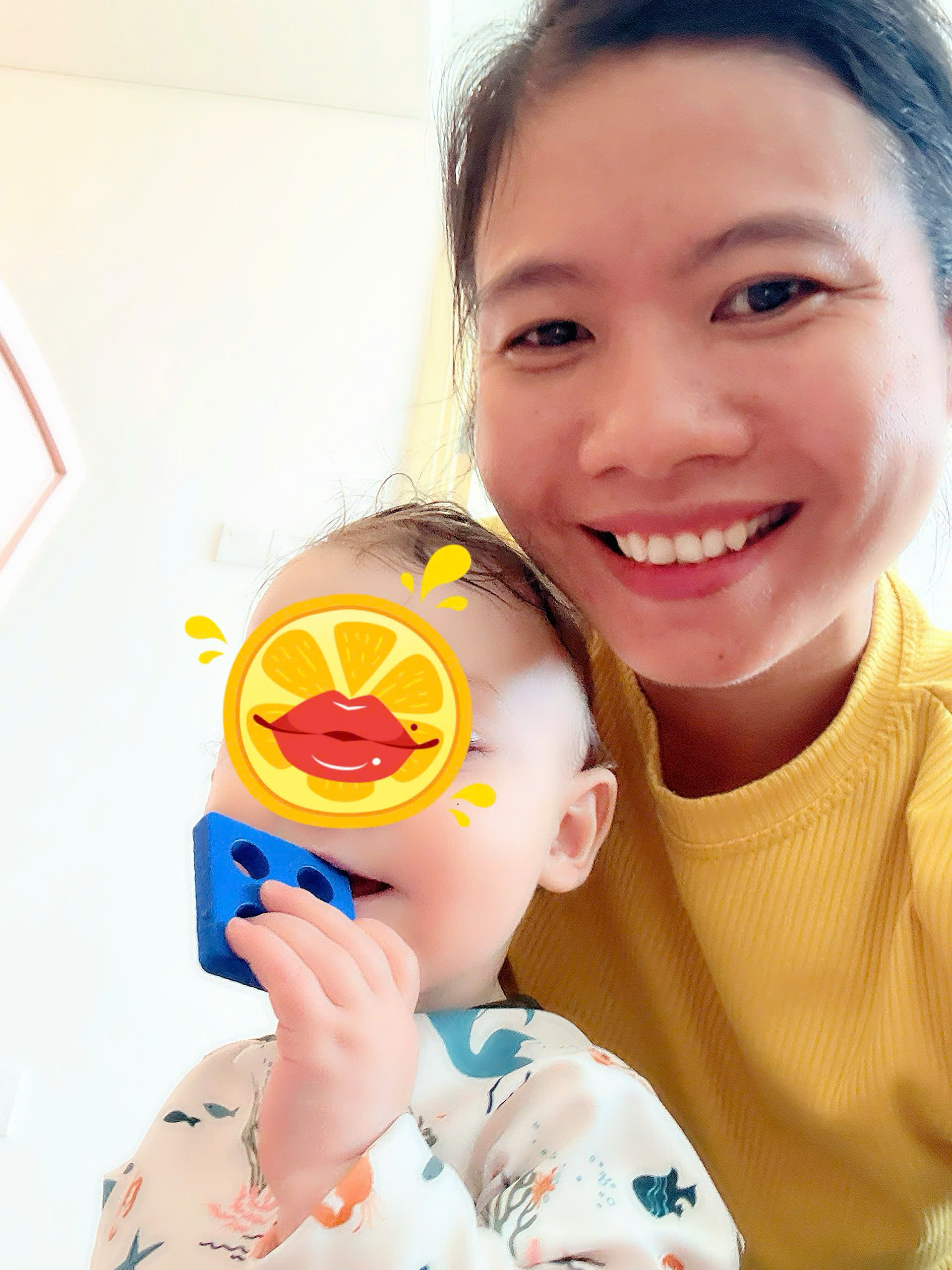
What parents should expect first
For most travel families, babysitting in Vietnam is not arranged like a large daycare program. It is usually a private care session shaped around the child’s real situation that day: nap timing, dinner plans, hotel room access, sibling needs, language comfort, and how shy or tired the child feels after travel.
In Hoi An and Da Nang, many families choose private care when they need a calmer alternative to taking a sleepy child to dinner, asking a toddler to stay late at an event, or depending only on a kids club schedule. For hotel and resort stays, parents can also read more about how private hotel and resort babysitting works.
Direct answer
A babysitter usually comes to the family’s hotel, resort, villa, or apartment, receives routine instructions from the parents, spends time helping the child settle, provides supervision and age-fit activities, sends parent updates when agreed, and completes a return handover when the parents come back.
How the booking usually works
Date, start time, finish time, location, number of children, ages, and any special care notes help confirm whether the session is realistic.
Parents often mention nap, dinner, milk, bedtime, screen rules, allergies, comfort items, and whether the child is shy with new adults.
The babysitter confirms availability, the expected care window, meeting point, and how updates should be sent.
The first minutes matter. A calm handover helps the babysitter understand the room, boundaries, emergency contact, and the child’s mood.
Activities may include reading, drawing, simple games, workbook play, snack support, or bedtime preparation depending on the child’s age and energy.
At the end, parents should know what the child ate, how they settled, what activities happened, and whether there were any concerns.
Why shy-child warm-up matters
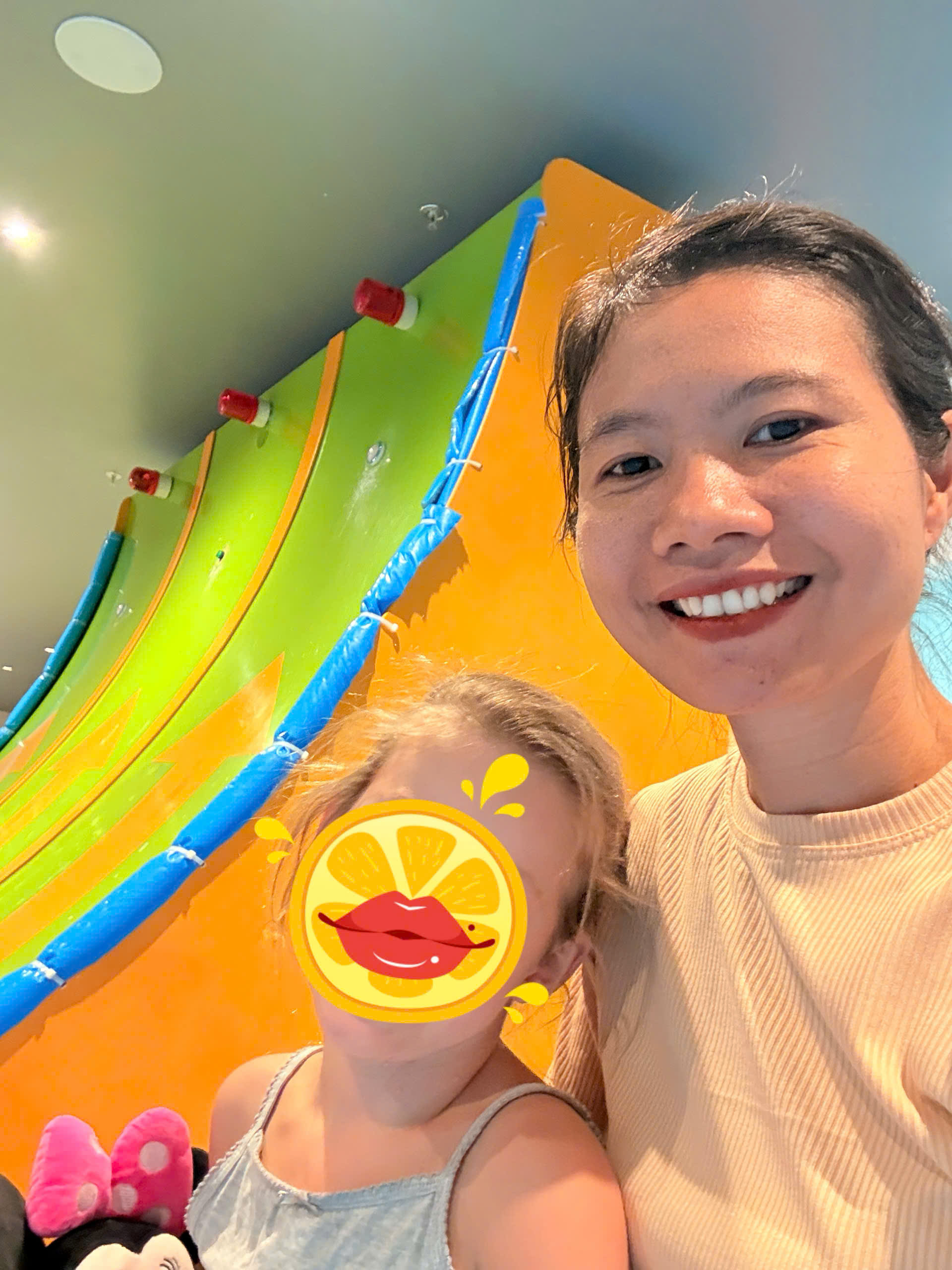
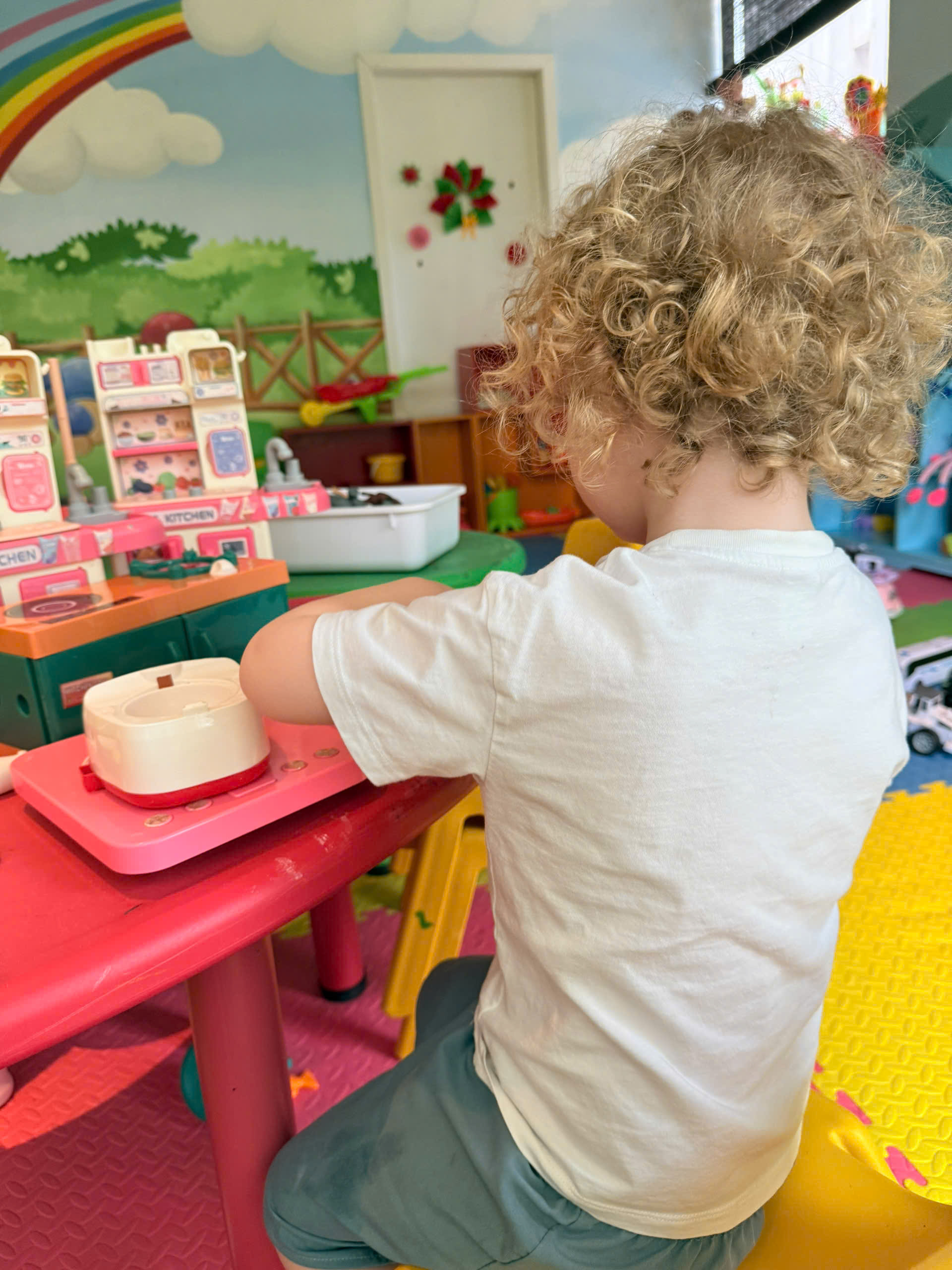
One detail parents often underestimate is the first ten minutes. A child who has just arrived in Vietnam may be tired from heat, flights, pool time, or a different sleep schedule. If the babysitter walks in too brightly or starts too many activities at once, a shy child may pull back.
A better warm-up is slower: greeting the parents first, allowing the child to observe, noticing the toy or book already in their hand, and letting trust build before asking for direct interaction. This is especially useful for toddlers and younger school-age children who understand that parents are about to leave but cannot fully explain their feelings.
What usually happens during the session
Settling
The babysitter helps the child feel safe before moving into play, snacks, bath, pajamas, or rest. This protects the session from becoming rushed.
Simple activities
Good travel childcare often uses quiet, flexible activities instead of over-planning: drawing, books, puzzles, pretend play, or calm conversation.
Updates
Some parents want one message after the child settles. Others prefer photos only when appropriate. The update style should be agreed in advance.
For families who feel nervous leaving a child in a new country, a clear update plan can make the evening feel easier. Annie also explains how parent updates during babysitting can work without interrupting the child too much.
Private babysitter, nanny, or hotel kids club?
The right option depends on the child’s age, energy, and the reason parents need care. A kids club can be useful for active children who enjoy group play. A nanny in Vietnam may fit longer stays or repeated weekly routines. A private babysitter is often best for short travel windows when the child needs familiar space, nap protection, bedtime support, or one-to-one attention.
| Option | Usually best for |
|---|---|
| Kids club | Confident children, short daytime play, group activities. |
| Private babysitter | Hotel room care, shy children, bedtime, dinner windows, younger children. |
| Travel nanny | Longer stays, repeated schedules, deeper routine continuity. |
Proof parents can check before booking
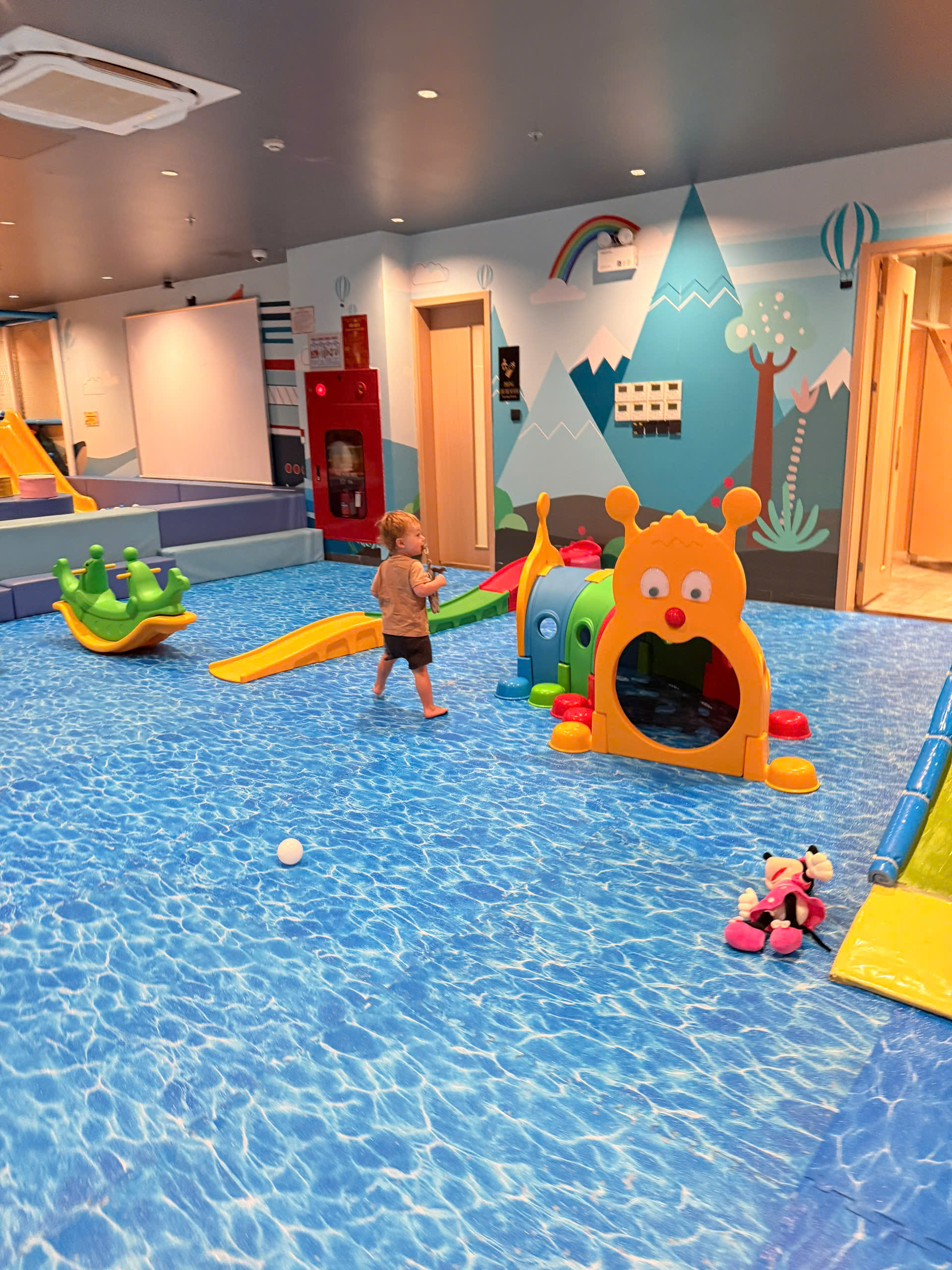
Annie / Thi is a mother of two with more than 10 years of childcare experience, CPR training, experience supporting 300+ families, and 60+ Google 5-star reviews. Parents can also ask to see real photos, videos, and profile proof before confirming care.
For a broader planning page, families can compare questions and trust checks in the guide to hiring a babysitter in Vietnam.
Checklist before leaving your child with a babysitter
- Confirm the exact room, villa, lobby, or meeting point.
- Share both parents’ phone numbers and emergency contact.
- Explain allergies, medication, food limits, and water safety rules.
- Show where diapers, pajamas, snacks, toys, milk, and comfort items are kept.
- Agree whether photos or WhatsApp updates are welcome.
- Explain the child’s usual bedtime or nap routine.
- Tell the babysitter what usually calms the child when upset.
- Set room boundaries: balcony, bath, pool, minibar, door, lift, and screens.
- Leave hotel key-card instructions if needed.
- Ask for a return handover instead of only a goodbye.
Real examples from travel-family situations
A baby may need a sitter mostly to protect sleep while parents attend dinner downstairs. A toddler may need a slow warm-up after a long pool afternoon. Two siblings may need separate rhythms: one child drawing quietly while the younger one starts pajamas. A school-age child may not need “entertainment” as much as a calm adult who can keep the evening predictable.
This is why the best childcare travel plan is not always the busiest plan. In Vietnam’s resort rhythm, heat, late meals, and full sightseeing days can make children more sensitive than parents expect.
Warning signs parents should avoid
No routine questions
If no one asks about sleep, food, allergies, comfort items, or room rules, the care may be too casual for a young child.
Unclear identity
Parents should know who is coming, how to contact them, and what proof is available before the session begins.
Too much overpromising
A careful babysitter does not promise that every child will instantly settle. They prepare for the child’s real mood.
A quiet local note for the rest of the stay
Some families who arrange childcare also ask Annie about the softer parts of a Vietnam trip: timing around transport, calmer dinner windows, and simple local guidance that respects the child’s rhythm. When needed, this can stay light and practical through private local support in Hoi An or Da Nang, while babysitting remains the main plan.
The most important point is still the same: the childcare plan should fit the child first, then the parents’ schedule.
Real video proof
Questions parents often ask
Can a babysitter come to our hotel or villa?
Yes. Private babysitting often happens at the family’s hotel, resort, villa, apartment, or homestay, depending on access and parent instructions.
What details should I send first?
Send the date, start and finish time, hotel or villa name, children’s ages, number of children, and any routine or safety notes.
What if my child is shy?
A calm warm-up helps. The babysitter should not rush the child, force interaction, or make the goodbye bigger than it needs to be.
Will I receive updates?
Parents can request WhatsApp updates. Many families prefer a short message once the child has settled, then another update only if useful.
Is this hotel staff?
No. Annie provides private babysitting support for families in Hoi An and Da Nang. Any hotel access should be coordinated clearly with the parents.
Is babysitting suitable for babies and toddlers?
It can be, when parents share clear feeding, diaper, nap, soothing, and safety instructions. Younger children need more routine detail than older children.
Share your child’s routine before you book
For an accurate babysitting plan, send your travel date, hotel or villa, children’s ages, care time, and anything that helps your child feel safe: nap, food, bedtime, comfort toy, language, or shy-child notes.
Message Annie on WhatsApp