
How Parent Updates Make Babysitting Feel Calmer
Good babysitter updates are not constant messages. They are calm, well-timed communication that lets parents enjoy dinner, spa time, a wedding evening, or a quiet adult break while knowing their child is safe, settled, and understood.
For travelling families in Hoi An, Annie uses WhatsApp-style updates as part of the care rhythm: enough reassurance to help parents relax, but not so much that the child’s play, nap, bedtime, or emotional transition keeps being interrupted.
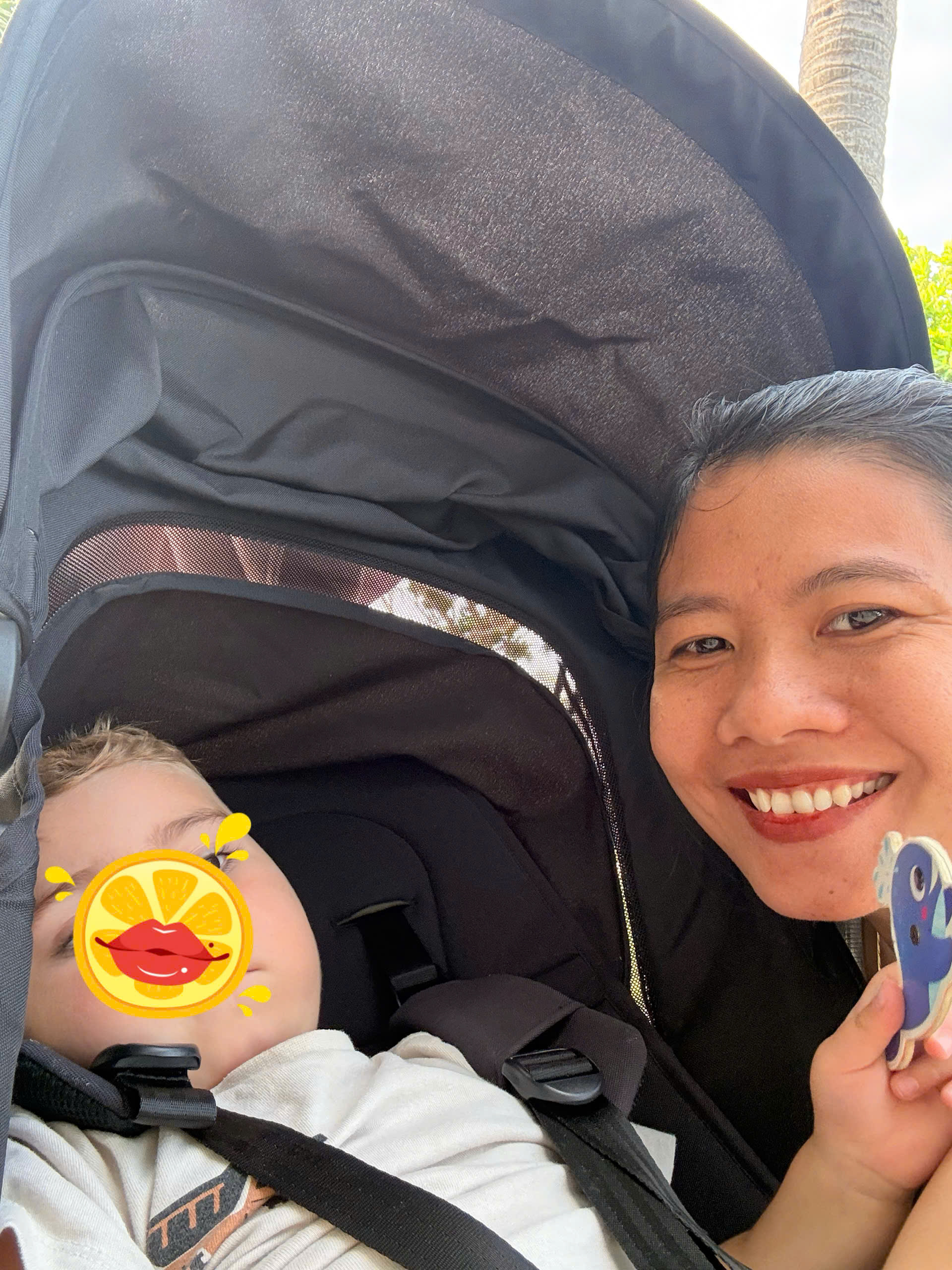
What parents usually want to know first
Parents do not need a perfect report every few minutes. They usually want to know three things: their child accepted the handover, the routine is being followed, and they will be contacted quickly if something genuinely needs their decision.
Babysitter updates should reduce worry, not create noise
The best childcare communication is quiet and useful. A short message after the first settling period can be more reassuring than ten repeated updates that make parents check the phone all evening.
For babies and toddlers, updates often focus on milk, food, diapers, nap attempts, emotional state, bedtime steps, and whether the child needs a calmer activity. For older children, parents may prefer a simple note about play, safety, and screen-free activities.
Families arranging care in Hoi An can also review the local service context through the Hoi An babysitter service guide before choosing the care window.
Update styles parents can choose before the session
Light reassurance
One message after the child settles, then another short note before parents return. This works well for dinner or spa appointments.
Routine-based updates
Messages around milk, snack, nap, bath, pajamas, bedtime, or medication instructions when parents want the routine followed closely.
Check-in by request
Parents decide exact moments, such as “please message after bedtime” or “only contact us if she becomes upset.”
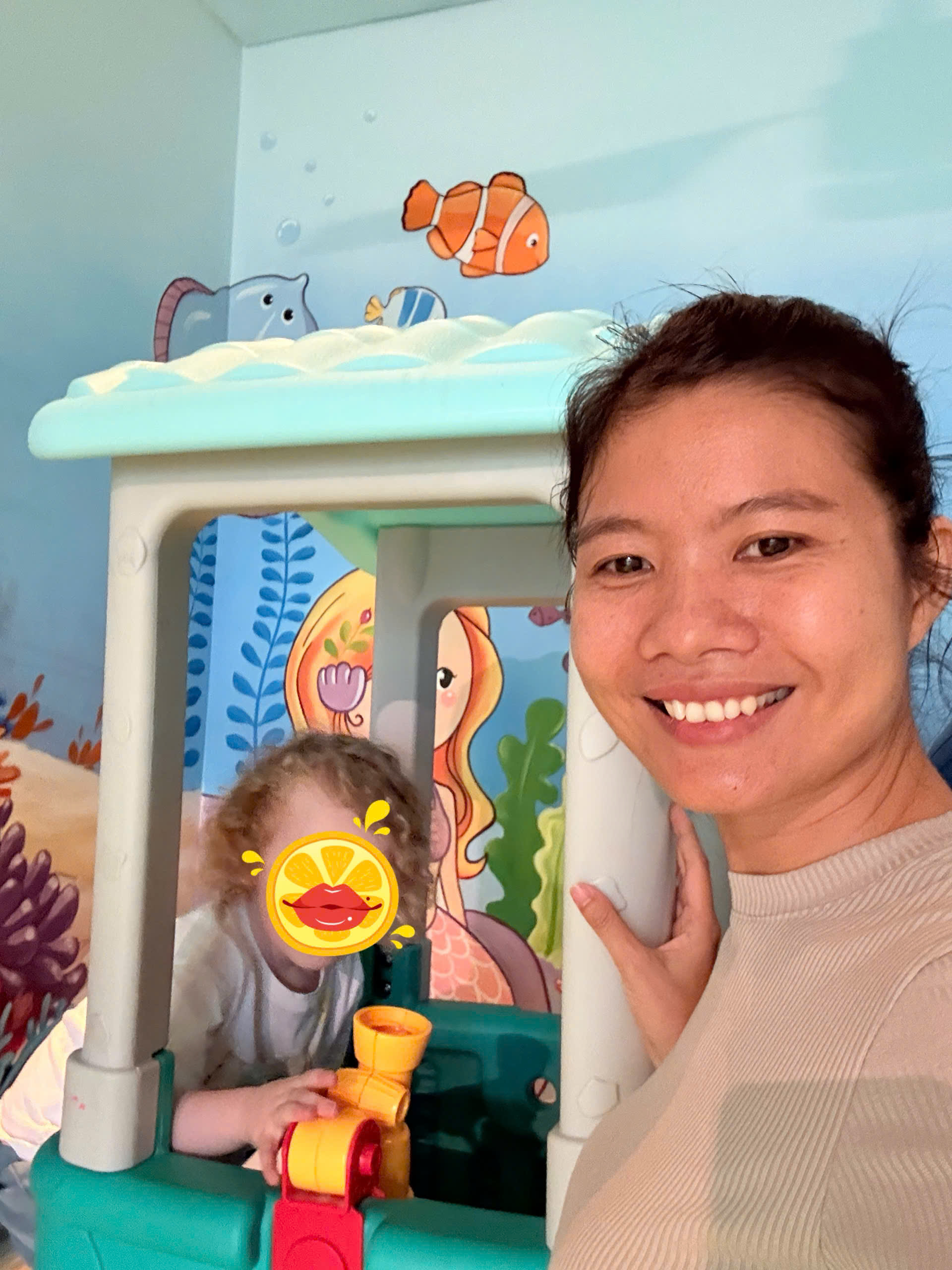
When updates matter most
Updates become especially important during the first goodbye, after swimming or a busy resort day, before bedtime, when a toddler is overtired, or when siblings need different attention at the same time.
A real travel-family concern is not only safety. It is the uncertainty of being away from the room while a child may be tired, shy, jet-lagged, or unsure about a new caregiver. A short, honest update helps parents understand what is happening without rushing back too soon.
A calm update might be simple: “She cried for a few minutes after you left, then chose the sticker book. I will keep the room quiet and message again after pajamas.”
How timing usually works
| Care moment | Useful update | Why it helps parents |
|---|---|---|
| After handover | A short settling message after the child is calm or after the first activity begins. | Parents know the goodbye passed and do not spend the first part of dinner worrying. |
| During routine | Milk, snack, diaper, bath, pajamas, or bedtime note when relevant. | Parents can see that instructions are being followed in a familiar order. |
| If the child is upset | Clear message about what happened, what is being tried, and whether parent input is needed. | Parents receive honest information without panic or overpromising. |
| Before return | Final note about sleep, mood, food, activities, and anything to know after parents come back. | The handover feels complete, not rushed at the doorway. |
Child privacy comes before photo updates
Photo or video updates should only happen when parents are comfortable with them. Some families love seeing a quick picture of a child drawing, reading, or sleeping peacefully. Other parents prefer text only, especially inside hotel rooms or villas.
Before care begins, parents can say whether photos are welcome, whether the child’s face should be avoided, and whether updates should stay only inside WhatsApp. This is a small detail, but it shows professional childcare judgment.
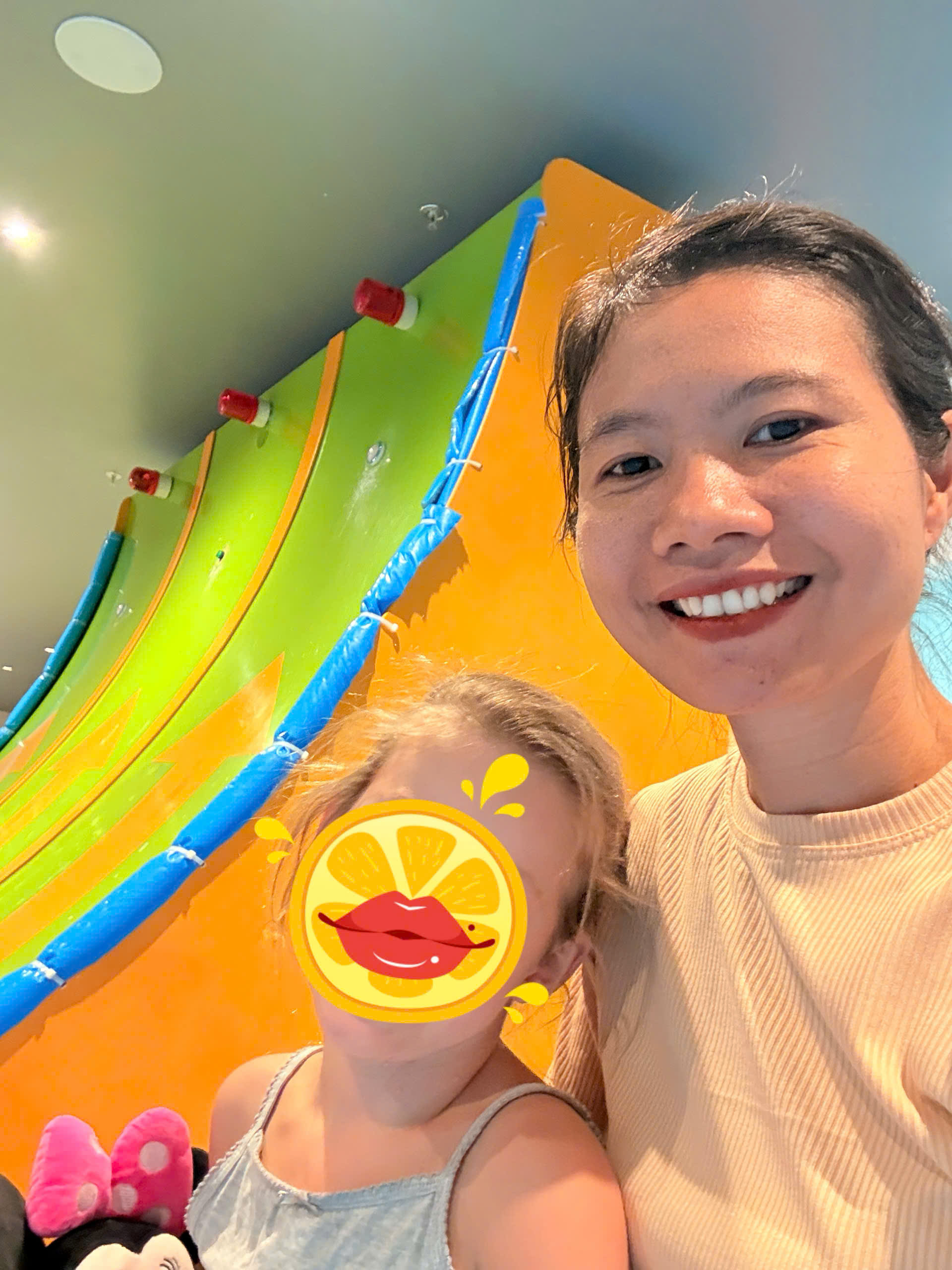
Why parents often ask Annie for update-based care
Annie, also known as Thi, is a mother of two with more than 10 years of childcare experience. Her private babysitting support has served 300+ families, with 60+ Google 5-star reviews and CPR training supplied as part of the trust profile.
For many parents, the reassurance is not only the number of reviews. It is the way care is communicated: clear handover questions, WhatsApp updates, calm wording, and practical judgment when a child is tired, shy, hungry, or resisting bedtime.
Parents can check public trust signals through the Google Business Profile reviews and compare timing options in the hourly babysitter guide.
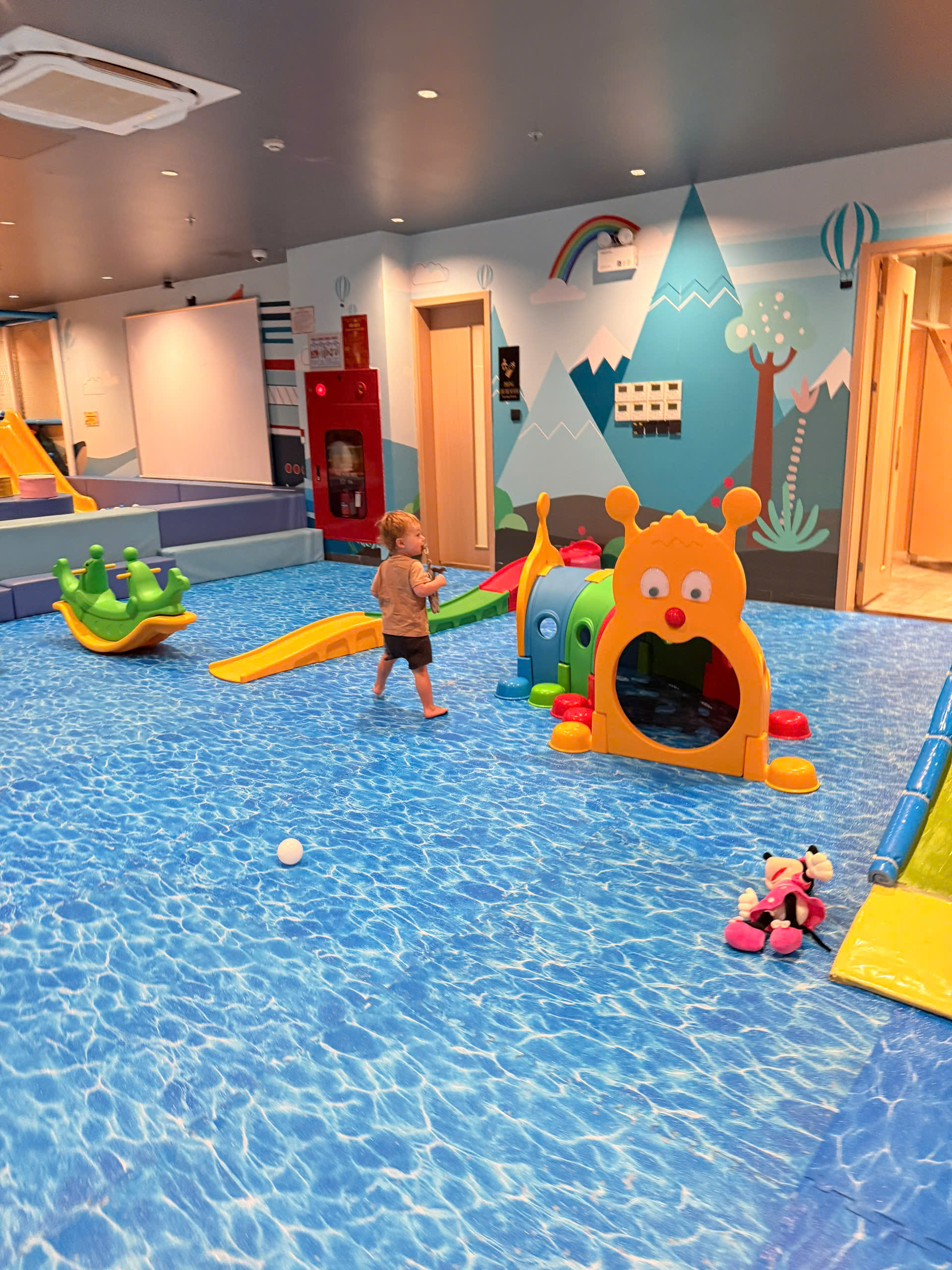
WhatsApp examples parents can request
Parent preference checklist before leaving
Update frequency
Do you want one settling message, routine updates, or contact only if something changes?
Photo permission
Are photos allowed, text only preferred, or should the child’s face be avoided?
Decision points
When should the babysitter contact you: crying, food refusal, fever, bedtime difficulty, or medication questions?
Real proof matters more than perfect wording
Parents can read polished promises anywhere. What builds trust is seeing real care situations: quiet activities, children settling after the first goodbye, calm room-based care, and communication that feels practical rather than scripted.
The video below gives parents a simple visual sense of how calm childcare can look when the session is designed around a child’s rhythm instead of constant stimulation.
Questions parents often ask about babysitter updates
Will I receive updates during the babysitting session?
Yes, updates can be arranged by preference. Most families choose one message after the child settles and another update around routine or bedtime.
Can I ask for photos or videos?
Yes, if you are comfortable with it. Parents can also request text-only updates or ask that the child’s face is not shown.
What if my child cries after I leave?
A short settling update can explain what happened and what is helping. Many children need a few minutes to adjust before moving into play or quiet activity.
How often should a nanny send updates?
Enough to reassure parents, but not so often that the child’s routine is interrupted. The best rhythm depends on age, mood, and the care window.
What should I tell the babysitter before leaving?
Share your update preference, emergency contact, bedtime or nap instructions, food limits, allergies, photo permission, and when you want to be contacted.
Share your child’s routine before the care window
Send the date, hotel or villa, child’s age, care time, bedtime or nap notes, and how often you would like updates during the session.
