
Childcare handover before a quiet evening
How to leave your child with a babysitter without making bedtime harder
The best way to prepare child for babysitter care is not to over-explain everything. It is to make the first few minutes feel familiar, safe, and predictable, especially when the care window ends near bedtime.
A calm goodbye, a small routine note, and one familiar object can do more than a long instruction list. The goal is not a perfect handover. The goal is a child who understands what happens next.

The simple answer parents need before leaving
Before you leave your child with a babysitter, prepare three things clearly: the child’s emotional routine, the practical room details, and the moment when you want the babysitter to contact you. This matters more than a long list of rules.
For travel families, the handover often happens after a full day of swimming, sightseeing, heat, unfamiliar meals, or a late nap. A child may look cheerful but still be close to overload. Bedtime transition is usually where that tiredness appears.
That is why Annie usually asks parents for the rhythm behind the child, not only the schedule: what helps them settle, what usually makes them resist sleep, how they show tiredness, and whether goodbye should be quick or gradual.
For parents planning a longer care window, the daily babysitting guide for Hoi An and Da Nang explains how private care can follow the child’s routine across meals, rest, play, and evening wind-down.
The hardest part of the evening is often the first goodbye.
A babysitter preparation checklist that is actually useful
A good babysitter preparation checklist should help the caregiver make calm decisions without waking the parent for every small question. Keep it short enough to use in real time.

Do not make goodbye too big
Many parents try to soften goodbye by explaining too much. For some children, that creates more worry. A calm, confident, short goodbye can feel safer than a long emotional negotiation.
A helpful sentence is simple: “Annie will stay with you, we will come back after dinner, and you can show her your book.” Then leave when you say you will leave. Returning again and again can make the child feel that something is uncertain.
For shy children, the transition can begin before parents leave. Let the babysitter sit nearby, ask gentle questions, or join a quiet activity. The child does not need to perform friendliness. They only need enough time to feel that the adult is safe.
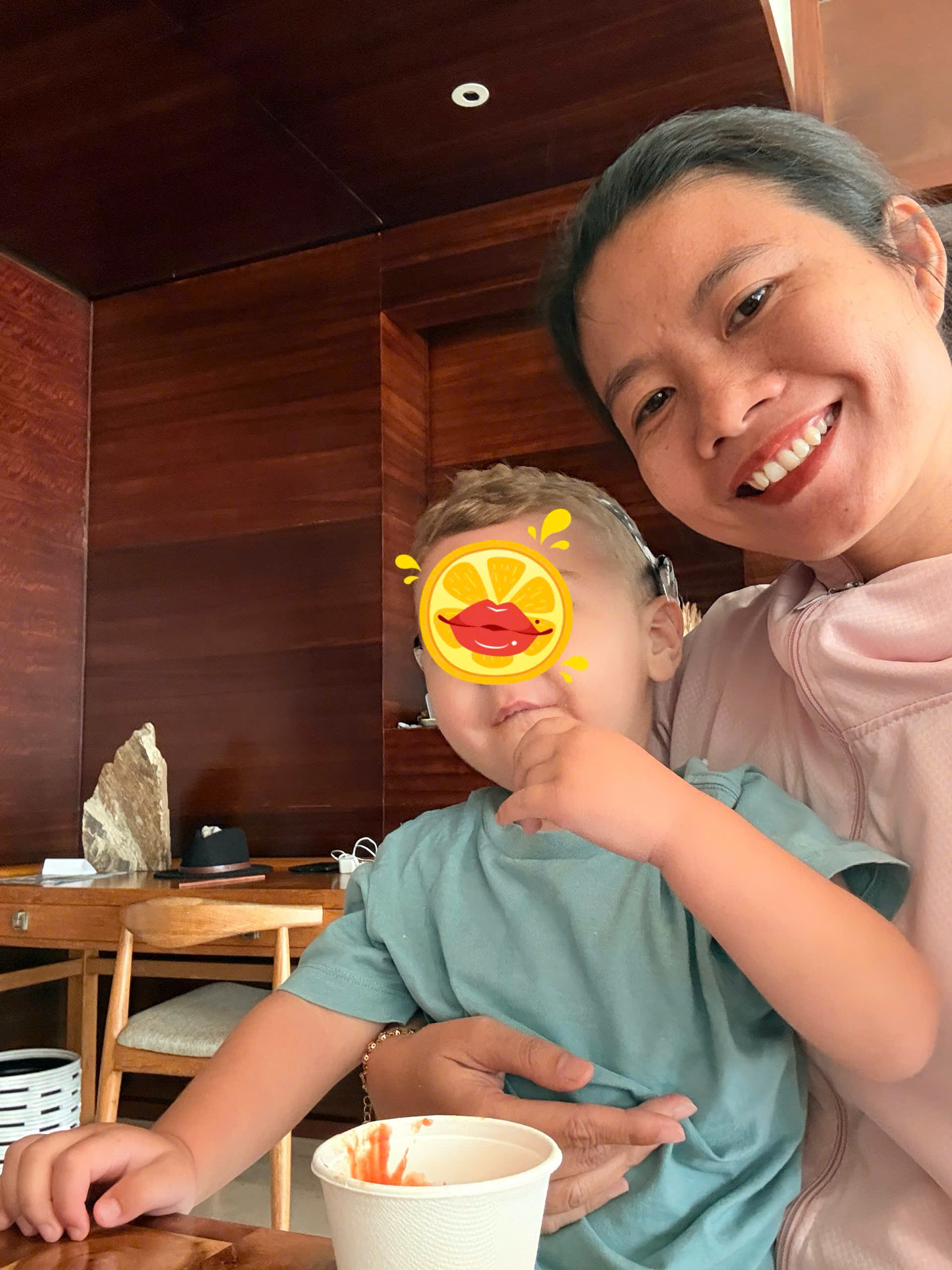
What Annie wants to know before bedtime
Annie’s care style is quiet before it is active. She watches the small signs: rubbing eyes, refusing a favorite toy, asking the same question many times, becoming silly, or suddenly wanting a parent.
These signs are often more useful than the clock. A child may not need a new toy. They may need the day to stop moving.
For trust before the first booking, parents can read more about Annie’s childcare background and care style, including how she approaches private babysitting for international families.
The handover should answer these five questions
Share the routine before you plan the evening
If your dinner, spa visit, work window, or quiet evening may overlap with bedtime, send Annie your child’s age, routine, and the time you hope to leave. The care plan can stay simple and child-led.
How to prepare babies, toddlers, and siblings differently
For babies
Prepare bottles, nappies, sleep clothes, comfort items, and the exact sleep cues. Babies do not need a complicated plan. They need consistency, clean timing, and a caregiver who knows when to keep the room quiet.
For toddlers
Toddlers often need control. Let them choose between two pajamas, two books, or where the soft toy sits. Too many choices can make the evening harder, but one small choice can help them cooperate.
For siblings
Siblings may need different rhythms in the same room. One child may want activity while the younger child needs rest. Tell the babysitter who usually leads, who gets jealous, and what makes each child feel seen.
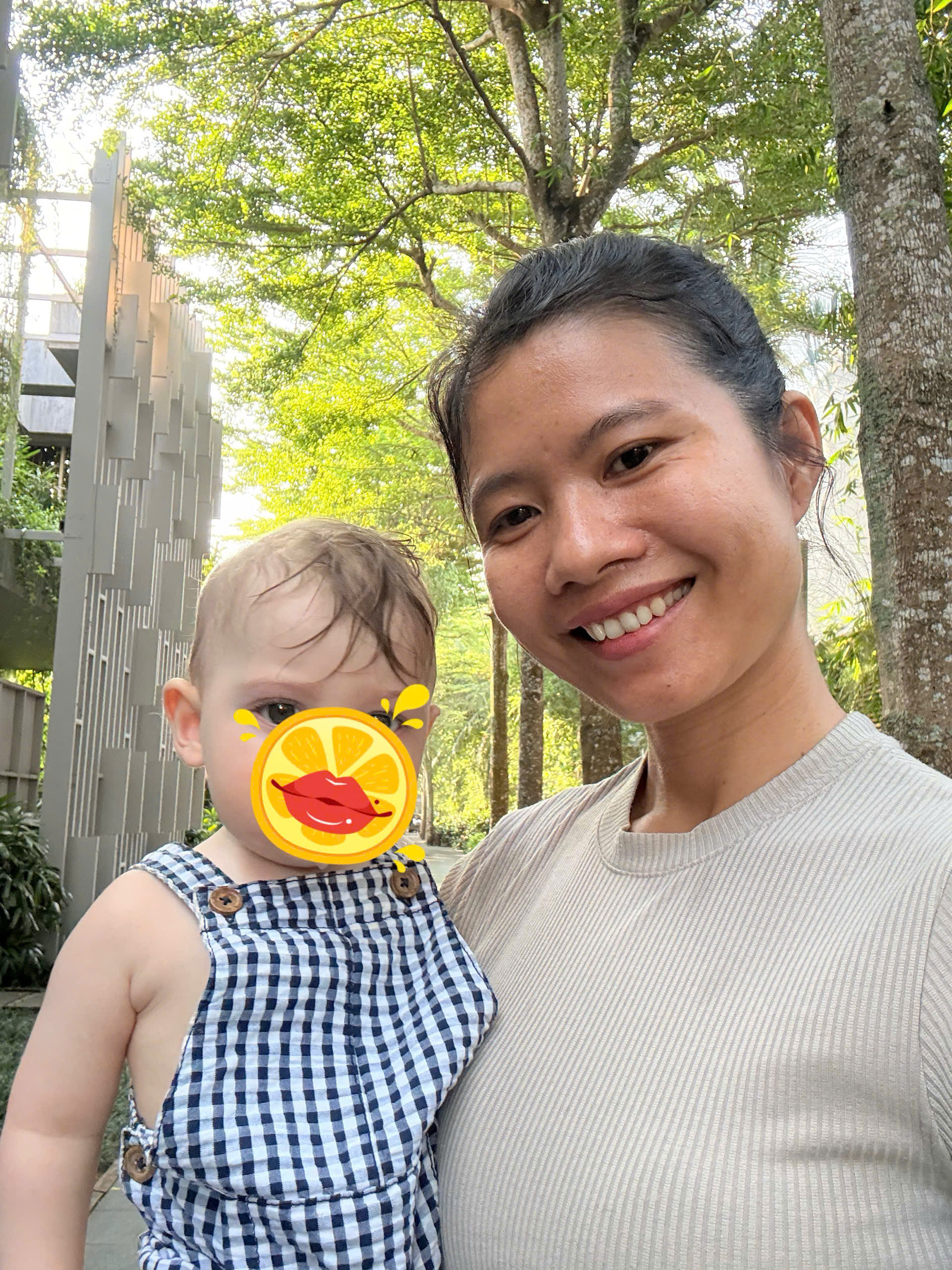
What parents often forget to mention
Parents usually remember allergies and bedtime. They sometimes forget the small emotional details that make care smoother: the child’s word for water, whether they are scared of the bathroom fan, which sibling should brush teeth first, or whether a parent’s shirt helps them settle.
These details do not make the handover complicated. They make it human. A good childcare handover gives the babysitter fewer things to guess.
If the evening has a dinner rhythm, the related note on how resort childcare often unfolds during an evening timeline may help parents picture the care window more clearly.
When a parent update helps and when it interrupts
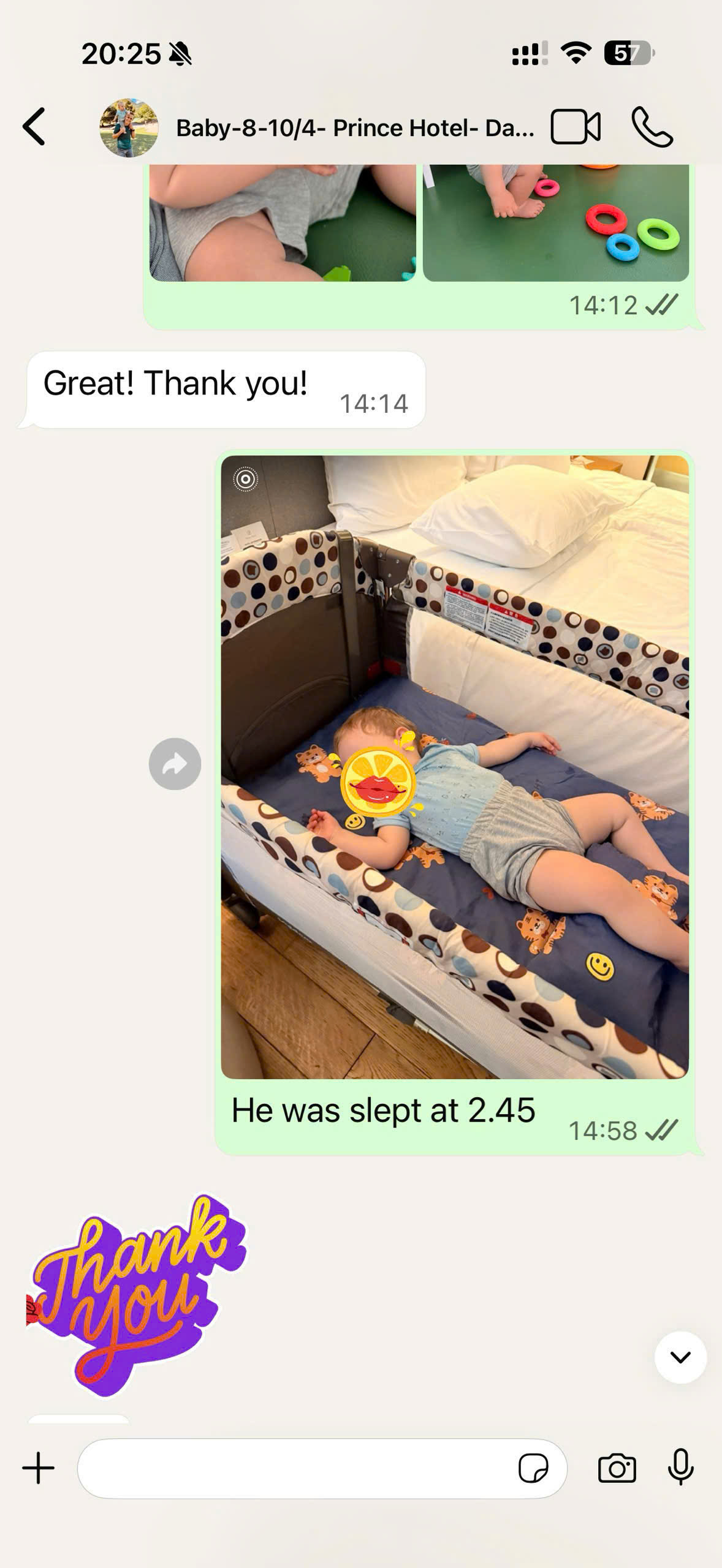
Some parents relax when they receive one quiet photo after the child settles. Others prefer only important messages. Tell the babysitter your preference before you leave.
For bedtime, too many parent replies can accidentally restart the goodbye. If the child sees the parent’s phone message or hears repeated calls, the room may feel unsettled again. A calm update plan protects both parent relief and the child’s transition.
For families moving between Hoi An and Da Nang
Some families spend part of the trip in Hoi An and part in Da Nang. The same preparation still works: routine first, room safety second, parent update rules third.
Parents staying closer to the Ancient Town can start with the Hoi An babysitter guide. Families based around beach resorts or city hotels can use the Da Nang babysitter guide for location-specific planning.
If childcare is part of a wider family day with transport or timing questions, Annie can also quietly point parents toward local support. It should only be added when it genuinely makes the day easier, not as a distraction from the child’s care.
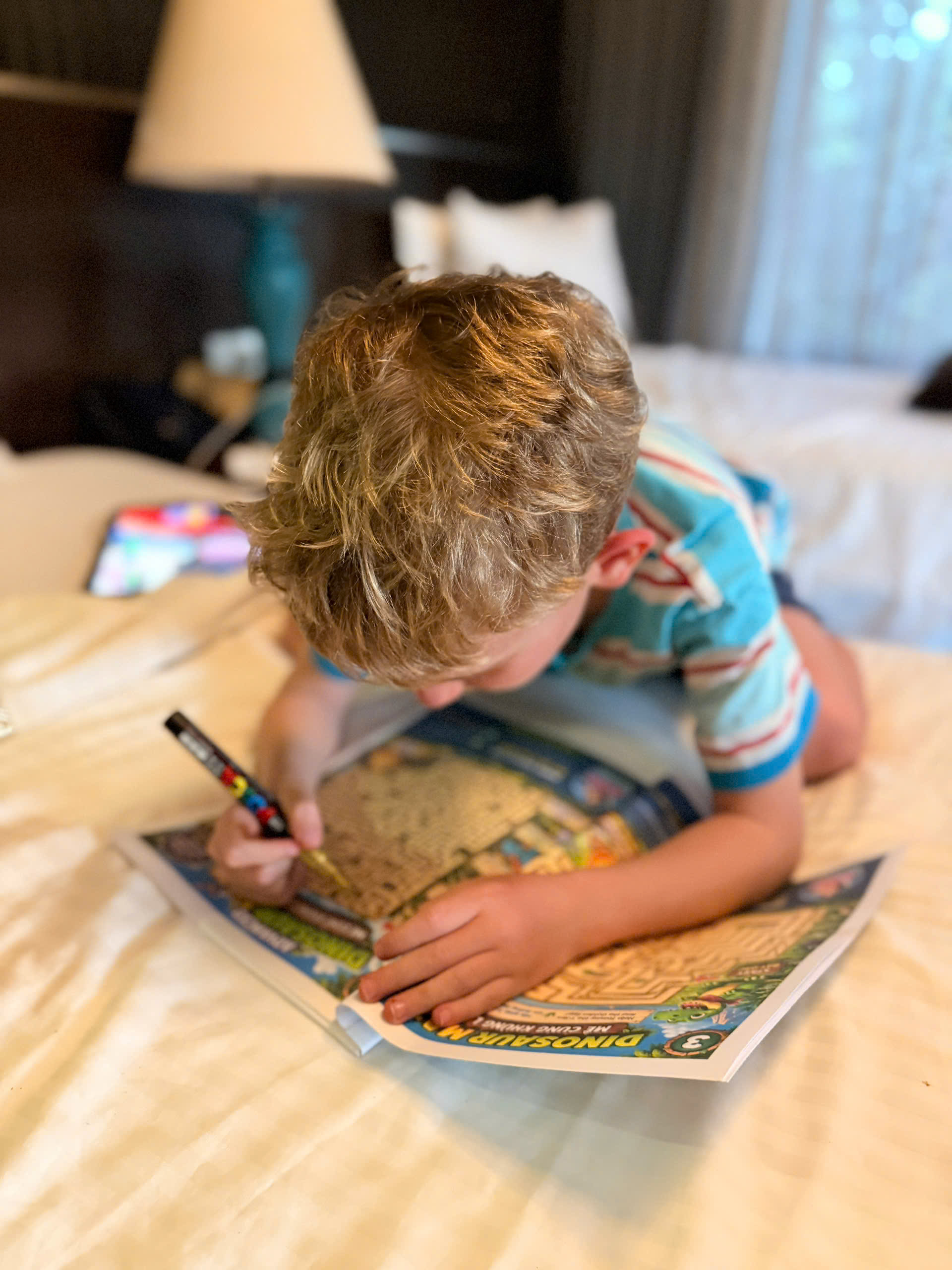
Parent questions before the first handover
How early should I prepare the child before the babysitter arrives?
For most children, 10 to 20 calm minutes is enough. The babysitter should not arrive in the middle of rushing, arguing about clothes, or changing plans.
Should I tell my child I am leaving?
Yes. A quiet, honest goodbye is better than disappearing. Keep it short, warm, and confident.
What should I leave in the room?
Leave water, snacks if allowed, pajamas, nappies if needed, comfort items, room key guidance, and emergency contact details.
What if my child cries when I leave?
Some children cry during transition and settle once the goodbye is clear. Tell the babysitter what usually helps and when you want to be contacted.
Should I allow screens?
Decide before you leave. If screens are allowed, give a clear limit so the babysitter does not have to negotiate alone.
Can the babysitter handle bedtime?
Yes, if the parent gives enough routine detail. Bedtime is easier when the child knows the order of things and the caregiver keeps the room calm.
What is the most important childcare handover detail?
The most important detail is what helps your child feel safe when they miss you. Everything else supports that.
Start with the child’s rhythm
Send Annie your date, care time, child’s age, and the bedtime routine. A calm plan can be shaped before you confirm dinner, spa time, or an evening away from the room.
