
Is It Safe to Hire a Babysitter in Hoi An for a Longer Family Stay?
Families looking for a trusted babysitter Hoi An option during a longer trip are usually asking more than whether somebody is available. They want to know whether the arrangement will feel stable across several days, whether routines can stay predictable, and whether the child will remain comfortable as the stay unfolds.
Before deciding, many parents compare their plan with childcare assistance around Hoi An so they can understand what kind of local support fits their accommodation, their child’s temperament, and the rhythm of the trip itself.
This article works as a cluster support page, not a full service explainer. Its purpose is to help families think through safety, fit, and consistency during a longer Hoi An stay without competing with core service pages.
Why safety questions feel bigger during a longer stay
A one-evening booking and a longer family stay create different concerns. When parents are considering repeated support over several days, they usually care more about routine stability, emotional fit, and whether the child can build comfort gradually rather than instantly.
- Some children need time before they feel relaxed with any new caregiver.
- Some do well in daytime sessions but become sensitive when bedtime approaches.
- Some only stay regulated when naps, meals, and familiar objects stay consistent.
- Some families want repeated help because one parent works remotely during the trip.
Scenarios families often face during weekly-style stays
1. Parents want the child to get used to one calm routine over several days
Longer stays often work best when support feels repetitive in a good way. Children usually settle faster when the environment, timing, and tone stay familiar rather than changing every day.
2. A child is comfortable one day, then clingy the next
Travel mood shifts are common. Heat, beach time, tiredness, late meals, and unfamiliar sleep can all affect how children respond. Safety is not just about the caregiver; it is also about how realistically the family plans the day.
3. Parents need repeated help during work blocks or adult plans
Some stays include remote work, wedding events, or repeated evening dinners. In those cases, many families want overview of typical care situations so they can understand how longer-use support is commonly structured before committing to it.
4. The child reacts differently depending on the time of day
Morning support, post-nap support, and near-bedtime support can feel very different. A child who plays happily at 10 a.m. may become much more sensitive after sunset, especially after a full sightseeing day in Hoi An.
5. Parents want reassurance without turning the plan into a huge production
In most cases, what helps families most is not complexity. It is clarity. A practical routine, a familiar room setting, and realistic expectations often feel safer than overplanning every minute.
How it usually works in practice
Families on longer stays usually begin by sharing the accommodation name, the dates, the likely time blocks, child ages, and any important habits related to meals, naps, allergies, bedtime, or comfort objects. The more practical the first message is, the easier it becomes to judge fit.
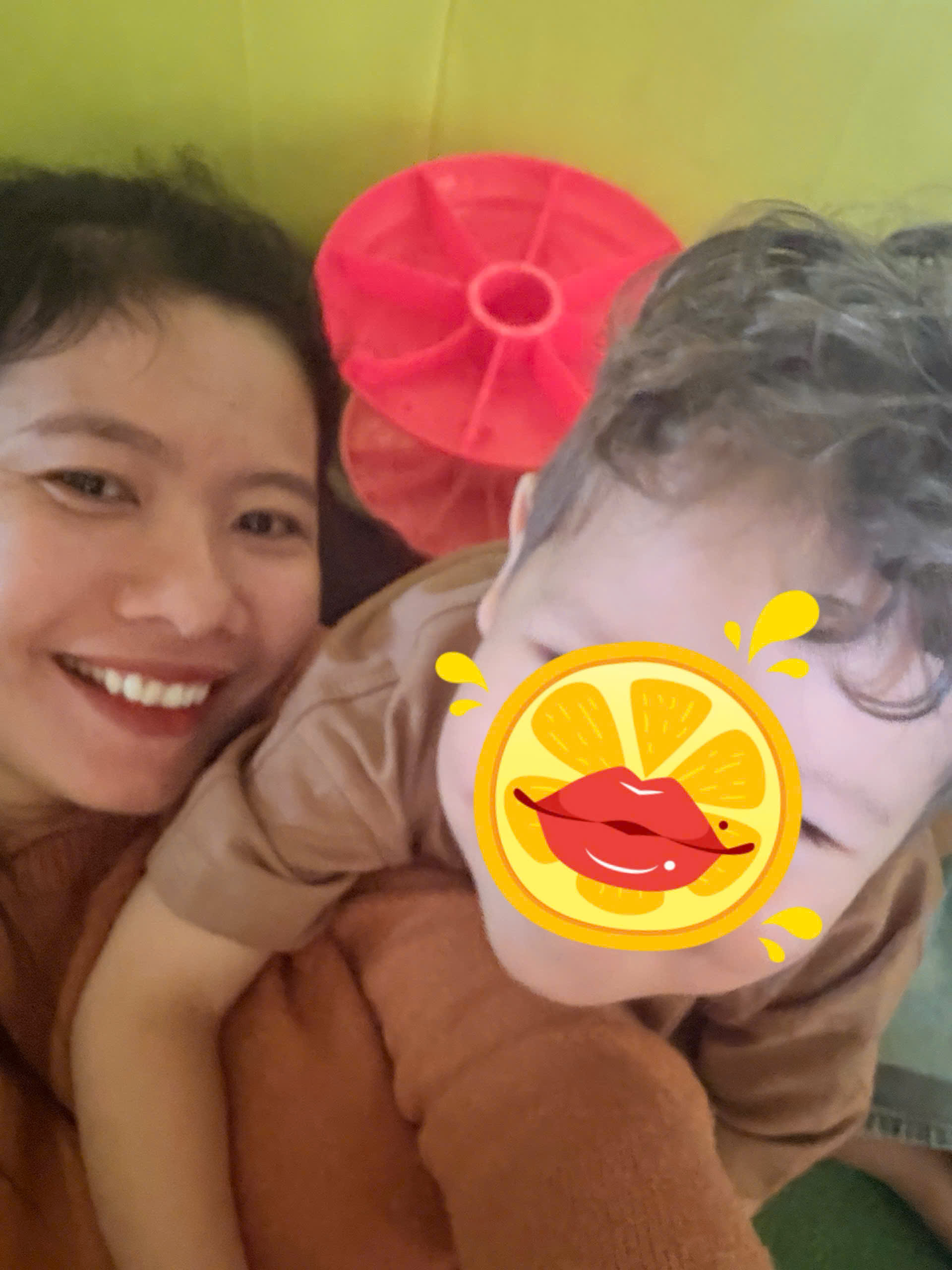
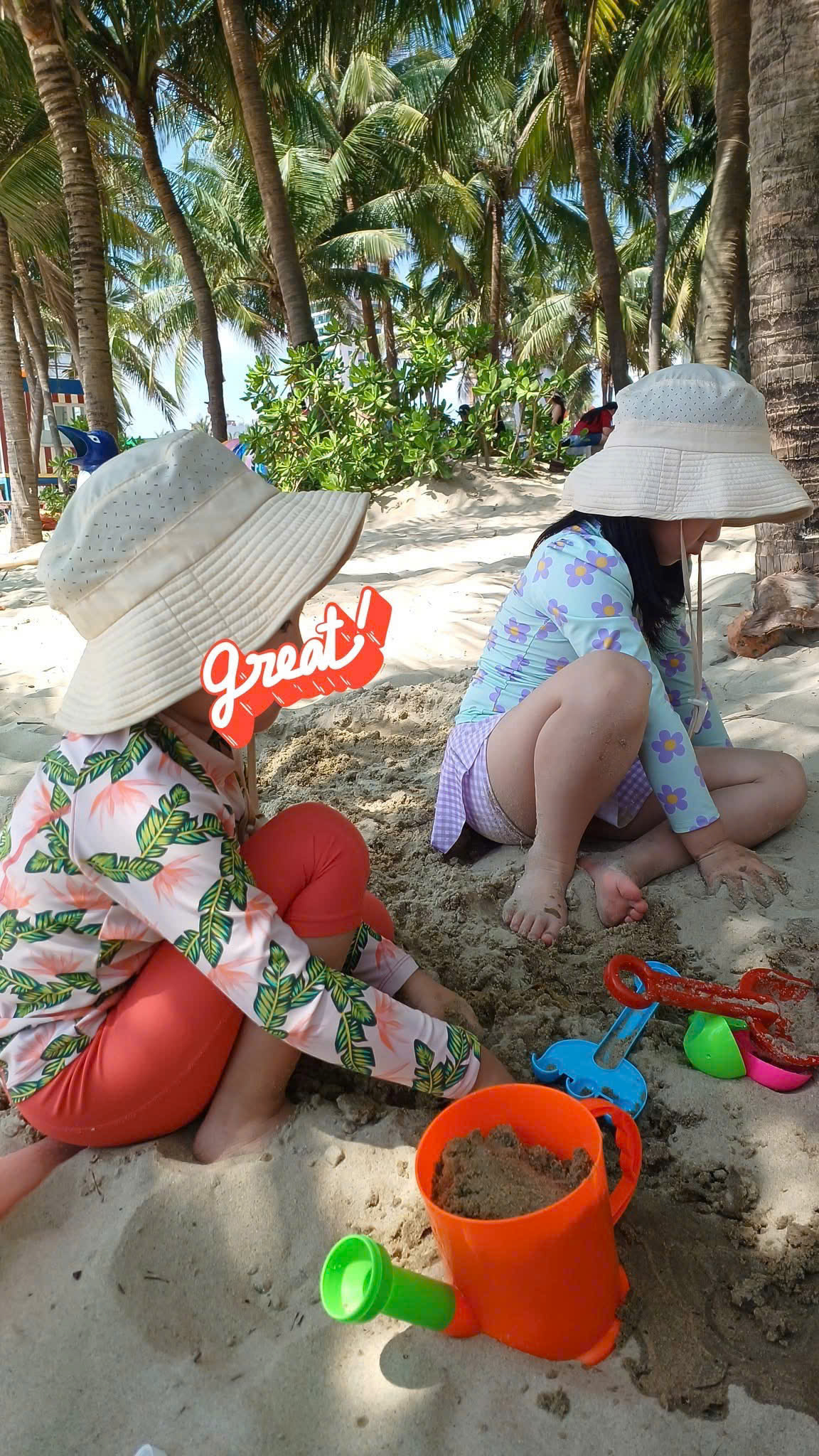
Parents who want visual reassurance before deciding often review everyday moments during care because real interactions reveal tone, pacing, and ordinary childcare rhythm more clearly than a generic promise.
If families want quieter support once the child has settled, they often prefer age-appropriate play options that suit hotel rooms, low-energy afternoons, and pre-bedtime routines better than noisy or highly active play.
Real moment from an actual stay
This short clip is included as an in-page proof moment. It shows a natural interaction style during care rather than a heavily promotional scene, which helps parents judge comfort and tone more realistically.
What usually makes a longer-stay arrangement feel safer
- Parents share the same core routine details from the beginning.
- The child stays in a familiar hotel, villa, or apartment environment.
- Support blocks are planned around real naps, meals, and energy levels.
- The family allows a gradual comfort curve instead of expecting instant bonding.
- Communication stays practical and calm across the stay.

Need to see whether weekly support fits your stay?
Once your dates, accommodation, and child routine are clear, it becomes much easier to judge whether a repeated care plan feels comfortable for your family.
Quick prep checklist before support begins
- Confirm the exact hotel, villa, resort, or apartment name.
- Share your child’s age, nap pattern, allergies, food rules, and comfort items.
- Prepare pajamas, diapers or wipes if needed, milk, snacks, and one familiar toy or book.
- Explain whether your child gets more sensitive after beach days, late naps, or bedtime transitions.
- Say whether you prefer text-only updates or occasional photo updates.
Trust signals families often review
Before making a final decision, many parents want to understand background of the caregiver so they can see the experience, communication style, and family-care approach behind the support.
Short FAQ for parents considering longer stays
Does repeated support usually feel easier after the first session?
Often yes. Many children respond better once the room routine, the timing, and the caregiver’s presence feel familiar rather than new.
What if my child reacts differently from one day to the next?
That is normal during travel. Energy, heat, naps, and outings can all change how a child behaves from one session to another.
Is this only for hotel rooms?
No. Families may stay in villas or apartments too, but the same principle usually helps most: keep the environment familiar and the routine practical.
Do I need to plan activities for every session?
Usually not. A few familiar items and a calm structure often help more than trying to create a packed activity schedule.
Is Da Nang covered in the same way?
This article is focused on Hoi An. Da Nang may still be possible by request when schedules allow.
“What helped us most was the consistency. Once our daughter understood the routine, the whole stay felt calmer and we could plan our week much more easily.”
– Parent traveler, family stay in Central VietnamFinal note
For a longer family stay, safety is usually not only about screening or logistics. It is about whether the arrangement feels steady, clear, and emotionally manageable over time. Families tend to feel best when the support fits the child’s real rhythm instead of asking the child to adapt too fast.
If your Hoi An trip already includes several days where repeated help would make the routine easier, you can open booking page by sending your dates, accommodation details, hours, and child information so the setup can be reviewed properly.
You can also review public trust signals and direct contact channels before sending your request.
Phone / WhatsApp / Zalo: +84 935 599 574
