
How to Know If a Babysitter Is Right for Your Child During a Hotel Stay in Hoi An
Choosing a trustworthy nanny Hoi An is rarely just about availability. Most parents want to know whether the caregiver feels like the right fit for their child’s mood, age, routine, and comfort level during a hotel stay. That question becomes even more important when evenings, dinner plans, or wedding events depend on the child settling well in an unfamiliar place.
Families usually compare this decision against local family care resources because the best choice is often the one that suits the family’s actual stay pattern, not the one with the most general promises.
This page works as a cluster support article, so it does not try to cover every childcare topic. Instead, it focuses on how parents usually evaluate fit, what signs help children settle more easily, and how hotel-based support often works in practice when families want a calmer evening in Hoi An.
What “the right fit” usually means in real life
Parents often think they are choosing between safe and unsafe, but in practice the real decision is often more nuanced. A caregiver may be perfectly capable and still need the right conditions for a child to feel comfortable. That is why tone, pacing, communication, and routine details matter so much.
- Your child may warm up quickly during play but become sensitive at bedtime.
- A toddler may do better with quiet interaction than energetic games.
- A tired child may need a familiar object before accepting anyone new.
- Some children only relax when the room routine stays exactly the same.
Scenarios parents often face during hotel stays
1. The child seems curious, then becomes clingy when parents leave
This is common during travel. Children may be calm while everyone is together, then suddenly resist when they realize dinner or an event is beginning. That does not automatically mean the caregiver is the wrong fit. It often means the transition needs to be handled gently and clearly.
2. Bedtime makes everything feel more emotional
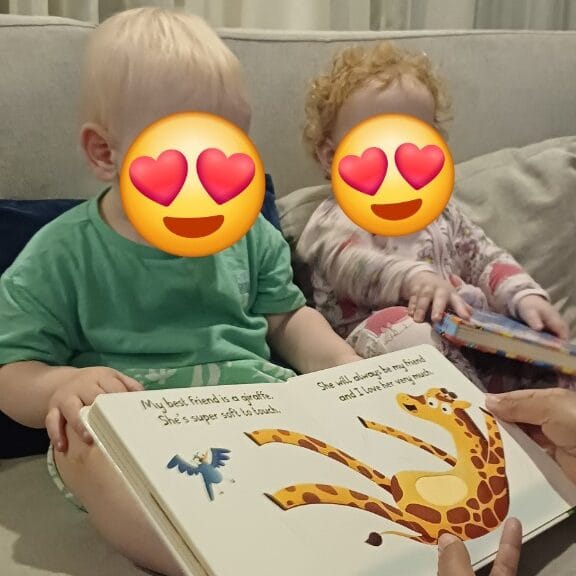
Bedtime is one of the strongest tests of fit. Pajamas, milk, story order, lighting, and familiar sounds can matter more than families expect. When parents want a better sense of the overall structure, it helps to read what families should expect in practice before confirming hotel-based care.
3. Siblings react differently to the same sitter
One child may engage instantly, while another stays cautious for much longer. This usually says more about personality and energy level than it does about the overall quality of support. A good match often means adapting to different reactions without forcing one style on both children.
4. The family only needs one evening but wants to feel confident fast
Many travelers do not need a long schedule. They need one dinner block, one wedding evening, or one quiet hotel night. In these situations, fit often depends on how clearly the family shares the child’s habits and how realistically everyone understands the session.
5. The child is tired from a full Hoi An day
Old Town walks, beach time, coconut boat activities, and restaurant meals can all make children more sensitive than usual. That is why many families prefer the sitter to follow the room routine rather than trying to create an elaborate experience.
How it usually works
In most cases, parents first share the city, accommodation name, likely start time, finish time, child ages, and any key concerns. After that, the useful discussion becomes very practical: allergies, milk, snacks, bath sequence, nap timing, comfort toys, and how the child usually behaves when shy, tired, or close to sleep.
Sessions tend to go more smoothly when the child remains in the same hotel environment instead of switching to another setting. Parents who want stronger proof before deciding often check real examples from families to see how everyday care looks during actual visits rather than relying only on written claims.
Real moment from a hotel-based session
This short clip is included as an in-page proof moment. It shows a real interaction style and pace during care rather than an overly promotional presentation.
What often helps children accept the sitter more easily
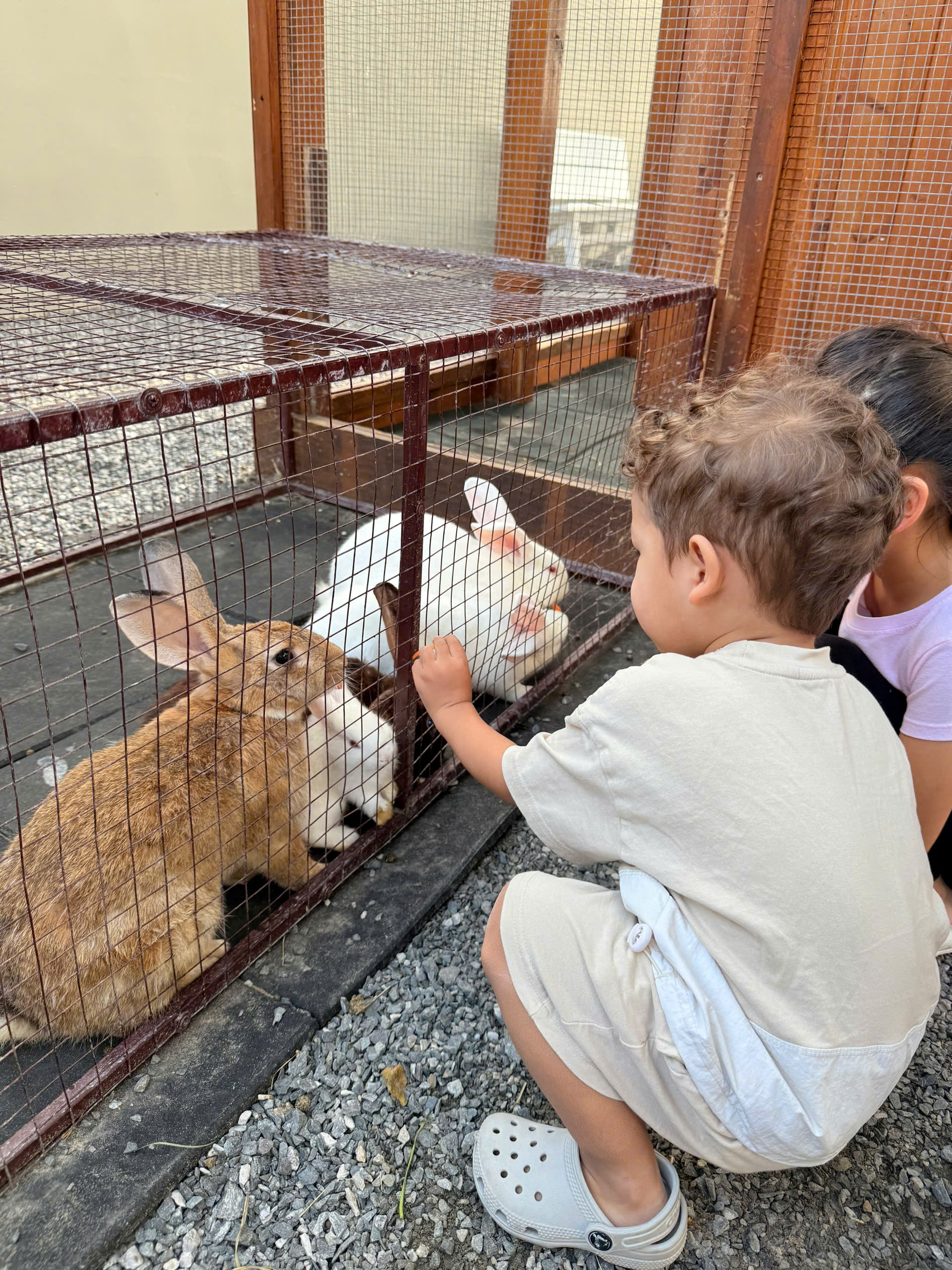
Fit is often created through the first few practical choices. Children rarely need big entertainment in hotel settings. They usually respond better when the environment stays predictable and the interaction remains calm.
- Keep the introduction short and low-pressure.
- Use one familiar toy, blanket, or bedtime story.
- Match the session to naps, meals, and real energy level.
- Explain how your child reacts when tired or unsure.
- Let the caregiver follow your normal room routine as closely as possible.
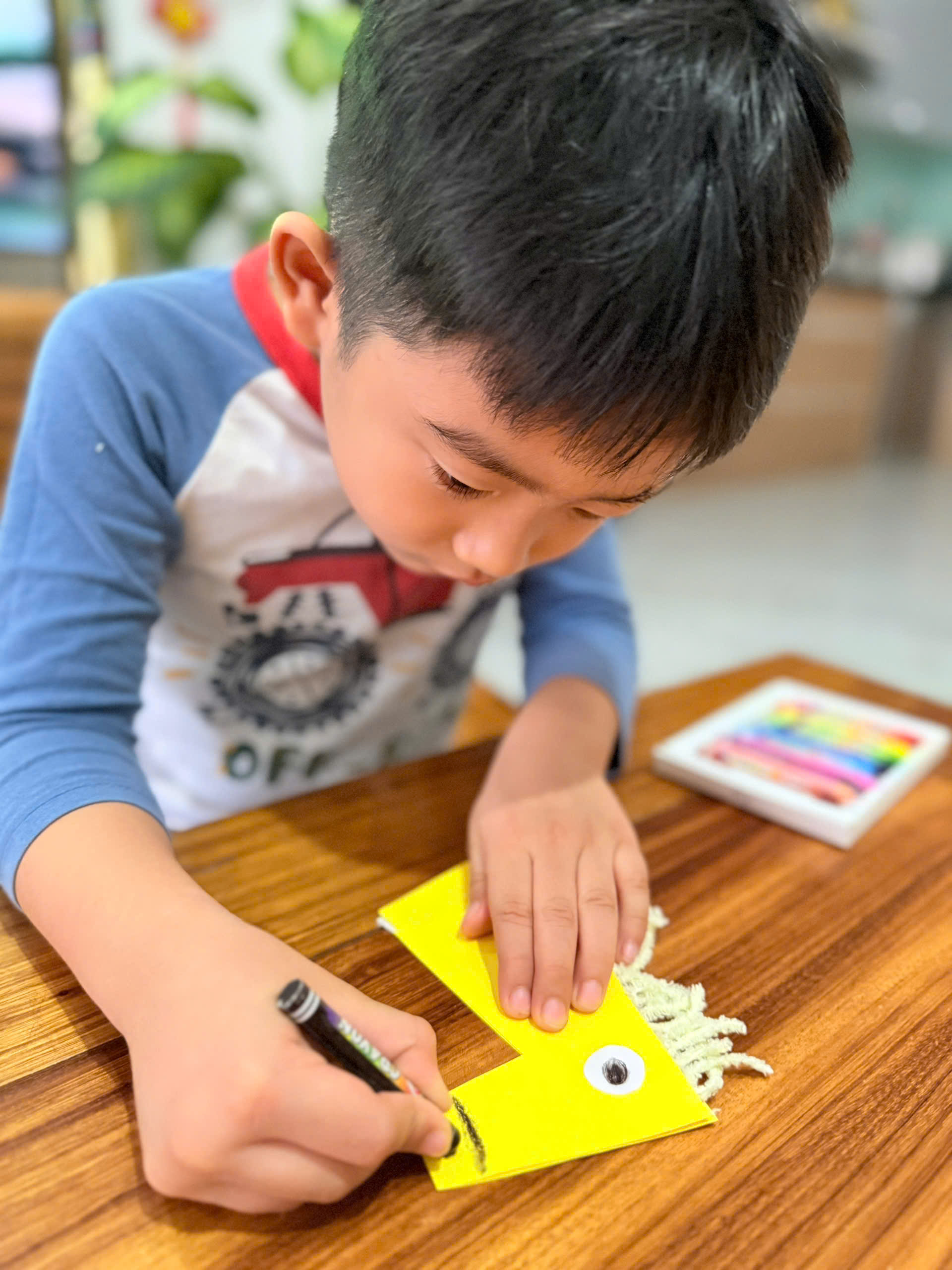
Many families prefer lower-stimulation sessions, especially before bedtime. If you want gentle options, you can review relaxed play suggestions for hotel-friendly ideas that do not overwhelm children during travel.

Need to see whether your hotel plan is a good fit?
Once your timing, accommodation, and child routine are clear, it becomes much easier to review whether the schedule makes sense for your family.
Quick prep checklist before the session
- Confirm the exact hotel, villa, apartment, or resort name.
- Share your child’s age, nap pattern, allergies, and meal rules.
- Prepare pajamas, wipes, milk, snacks, and one comfort object.
- Explain how your child usually reacts when shy or overtired.
- Say whether you prefer text-only updates or occasional photo updates.
Trust and proof before making the final decision
Families who want more context before booking can review approach to childcare to understand experience, communication style, and the travel-family support behind the session.
Short FAQ for parents
What if my child cries when I leave?
That can happen during travel, especially near dinner or bedtime. A short goodbye and clear routine usually help more than a long emotional exit.
Does one awkward start mean the sitter is wrong for my child?
Not always. Many children need a warm-up period before they relax, especially in an unfamiliar hotel setting.
Is this mainly for evenings?
Evenings are common, but some families also use hotel-based support during events, spa time, or a quiet afternoon block—or if you want daytime support without gaps in care .
Should I prepare a lot of toys?
Usually not. A few familiar items are often more useful than trying to create a large activity setup.
Is Da Nang included too?
This article is focused on Hoi An. Da Nang may still be discussed by request when schedules allow.
“We were nervous because our daughter is slow to warm up, but the calm approach and familiar bedtime routine made the whole evening feel much easier than we expected.”
– Parent traveler, family hotel stayFinal note
Knowing whether a babysitter is right for your child usually comes down to fit, not pressure. Families feel more confident when they can see clear communication, realistic planning, familiar hotel routines, and proof that the support style matches how children actually behave during travel.
If your trip already includes a dinner reservation, event, or quieter adult plan that depends on hotel support, you can check availability by sending your dates, hotel details, hours, and child information so the arrangement can be reviewed properly.
You can also review public trust signals and direct contact channels before sending your request.
Phone / WhatsApp / Zalo: +84 935 599 574
