
First Time Leaving Your Child with a Babysitter? Hotel Stay Support in Da Nang
For many families, the first real question is not whether childcare exists, but whether it feels emotionally manageable to leave a child with someone new during a trip. That is especially true when parents are looking for a trustworthy nanny Da Nang option while staying in a hotel, resort, or serviced apartment.
Families who begin by reviewing childcare support near your stay usually find it easier to compare what kind of local help fits their travel rhythm, child age, and accommodation setting without rushing into a decision.
This article works as a cluster support page, so it stays focused on real first-time concerns, how hotel-based care usually feels in practice, and what parents often do to make the experience calmer. It is not meant to replace a full service page or explain every childcare format in depth.
Why first-time babysitting during travel feels different
A child may react very differently on holiday than at home. Flights, late naps, swimming, heat, and unfamiliar beds can all change how a child responds to a new person. Even confident children sometimes become clingy when the room goes quiet and they realize their parents are stepping out.
- Some children are friendly during play but become sensitive at bedtime.
- Some stay relaxed until a parent moves toward the door.
- Some only need a familiar snack, book, or comfort toy to settle.
- Some respond best when the room routine stays exactly the same.
Scenarios parents often think about first
1. Dinner plans are easy, but the goodbye feels hard
This is one of the most common concerns. Parents may have a reservation, but still worry that leaving the room will trigger tears or resistance. In many cases, children respond better when the goodbye is simple, the setting remains calm, and the caregiver already knows what usually comforts them.
2. A child seems fine at first, then changes mood near bedtime
Bedtime often brings the strongest emotions. Pajamas, milk, lighting, songs, and story order can matter far more than parents expect during travel, especially after a busy beach or sightseeing day.
3. One sibling warms up quickly while the other stays cautious
Families with more than one child often notice different reactions right away. That does not mean the session is failing. It usually means the support needs to match two different energy levels and comfort styles.
4. Parents only need help for a short hotel block
Some families want care for dinner, a spa appointment, a conference evening, or one quiet window during a long stay. Shorter time blocks can feel more manageable for first-time arrangements because expectations stay specific and realistic.
5. Parents worry the hotel itself feels too unfamiliar
In practice, hotel-based care often feels easier precisely because the child stays in one familiar temporary environment. Their own pajamas, snacks, bath items, and sleep cues are already there, which can reduce extra transitions.
How this type of care usually works
Before confirming anything, many parents prefer to read how this type of care usually works so they can picture the structure of a hotel-based session, what details matter most, and how the arrangement usually fits into real family travel plans.
In most cases, parents first share the city, accommodation name, care hours, number of children, ages, and routine notes. After that, the conversation becomes practical: meal timing, allergies, sleep habits, favorite toys, comfort objects, and what the child typically does when tired or shy.
The strongest first session is rarely the most elaborate one. It is usually the clearest one. When expectations are specific and the room routine stays familiar, both children and parents often feel more comfortable.
Real moment from a hotel-based session
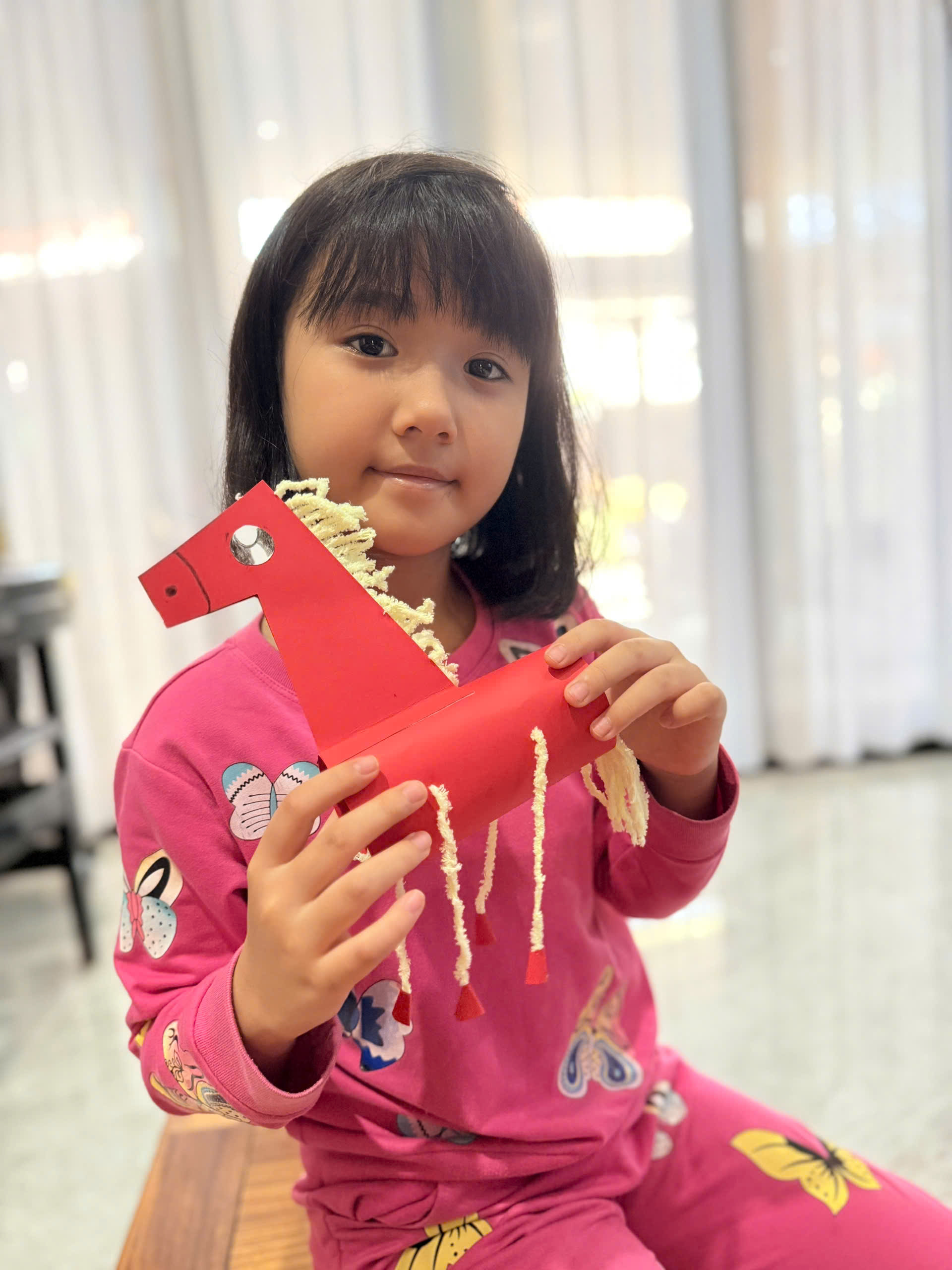
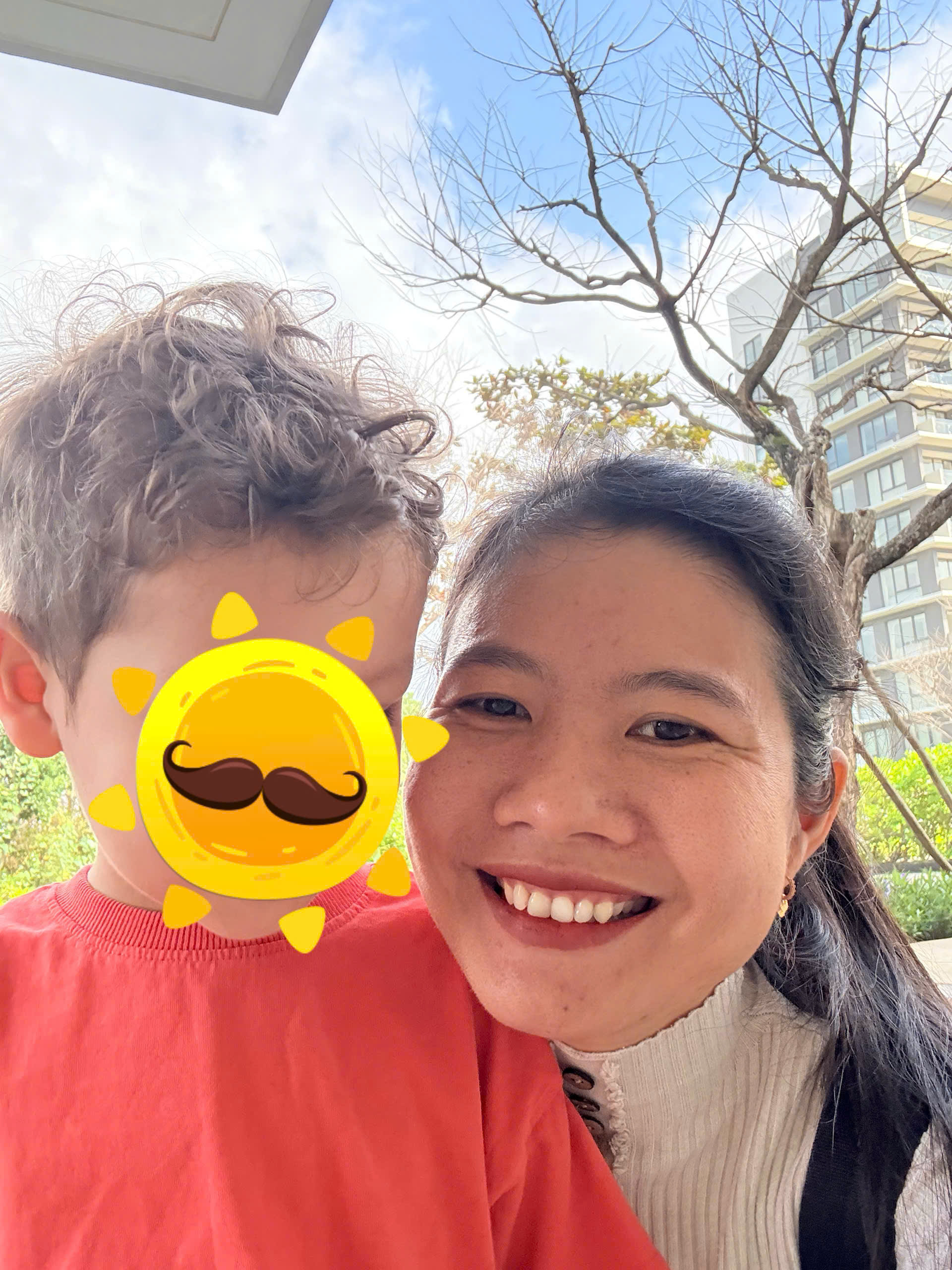
This short clip is included as a real moment rather than a polished sales piece. It helps parents see ordinary interaction and the tone of hotel-based support in a more natural way.
Parents who want more reassurance before making a decision often review natural interactions during visits because real proof usually says more than a broad promise.
What often helps a child accept the situation more easily
- Keep the introduction calm rather than trying to create instant excitement.
- Use one familiar object such as a toy, blanket, or favorite storybook.
- Explain what usually helps your child settle when shy or overtired.
- Choose a time block that respects naps, dinner, and bedtime rhythm.
- Let the caregiver follow your routine rather than creating a new one.
Families who want gentle, lower-stimulation support often prefer easy activities during care so the child can stay engaged without becoming more tired or overstimulated in the hotel setting.


Need to check whether your hotel setup is a good fit?
Once your date, accommodation, and child routine are clear, it becomes much easier to review whether the timing and support style feel right for a first session.
Quick prep checklist before the first session
- Confirm the exact hotel, resort, villa, or apartment name.
- Share your child’s age, nap pattern, meal rules, and allergies.
- Prepare pajamas, wipes, milk, snacks, and one familiar comfort item.
- Explain how your child usually reacts when shy, tired, or close to bedtime.
- Say whether you prefer text-only updates or occasional photo updates.
Trust signals families often check before booking
If you want more background before making a decision, you can review caregiver experience and style to understand the childcare approach, travel-family experience, and how support is typically delivered.
Short FAQ for first-time parents
What if my child cries when I leave?
That can happen, especially during travel. A calm goodbye, a familiar routine, and clear preparation usually help more than turning the departure into a long emotional moment.
Should I cancel immediately if the first few minutes feel awkward?
Not necessarily. Many children need a short warm-up period before they relax in a new travel setting.
Is hotel-based care mainly for evenings?
Evenings are common, but some families also use it during naps, dinner breaks, conference blocks, or one quieter part of the day.
Does this work better for toddlers or older children?
Both can do well, but the setup should match the child’s routine, energy level, and comfort with new people.
Is Hoi An included too?
This page focuses on Da Nang. Hoi An may still be possible by request when schedules allow.
“What helped us most was the calm preparation. We shared our daughter’s bedtime habits in advance, and the whole evening felt much easier than we expected.”
– Parent traveler, hotel stay in Central VietnamFinal note
A first babysitting session during travel does not need to feel perfect to feel workable. Parents usually feel best when they can see clear communication, realistic planning, familiar hotel routines, and a calm approach that respects how children actually behave on holiday.
If your trip already includes a dinner plan, work block, or event that would be easier with hotel-based support, you can reserve a time window by sending your dates, accommodation details, hours, and child information so the setup can be reviewed properly—or plan ahead for a well-paced daytime care routine during your stay if you prefer a more structured day.
You can also review public trust signals and direct contact channels before sending your request.
Phone / WhatsApp / Zalo: +84 935 599 574
