
How Parents Can Feel Safer Leaving Their Child With a Babysitter Abroad
A good childcare handover is not only a list of instructions. It helps the babysitter understand your child’s rhythm, your safety expectations, the hotel room boundaries, and how you want updates while you are away.
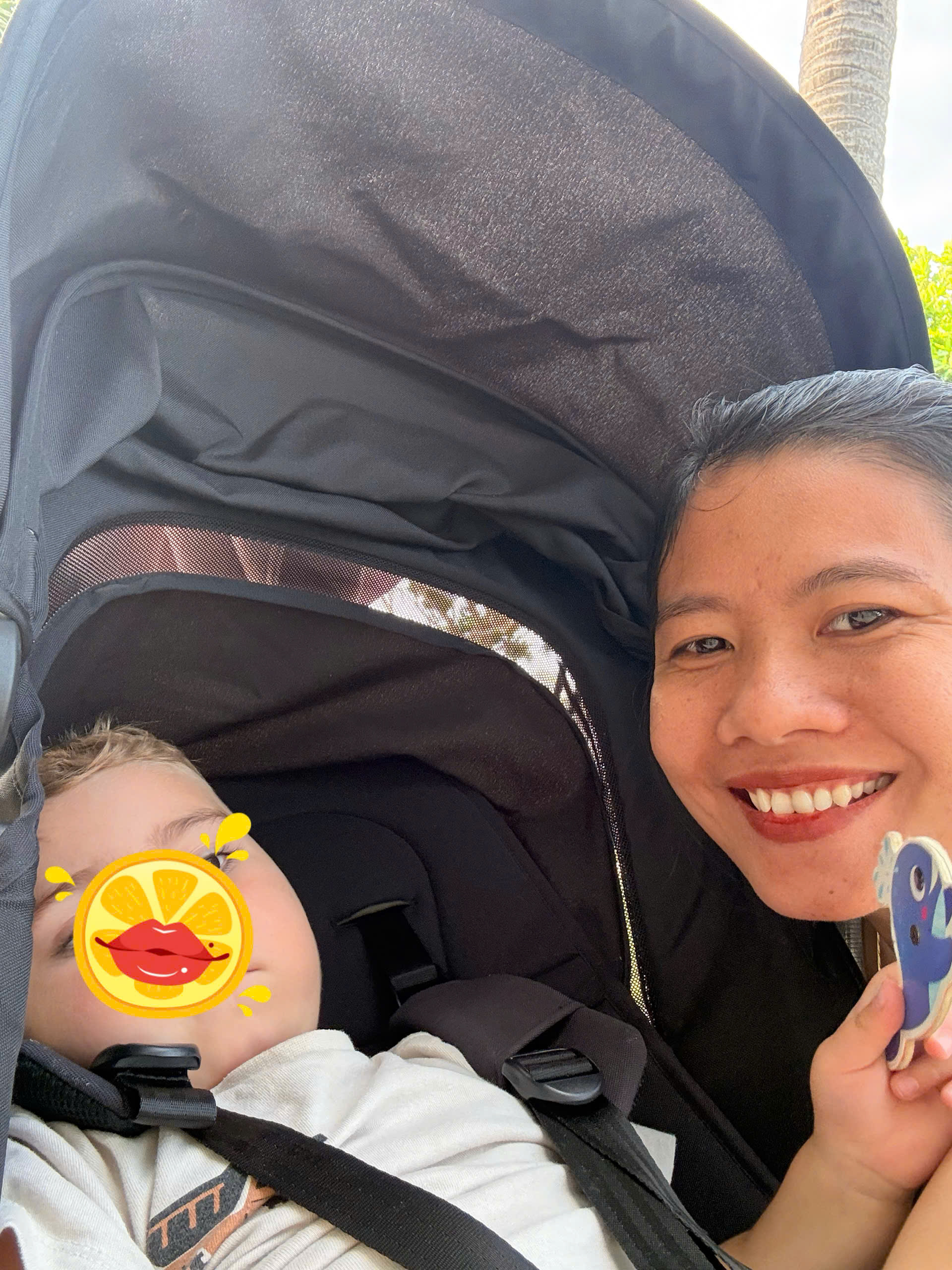
What parents should share before babysitting starts
The most useful babysitter information checklist includes your child’s name and age, usual routine, food and allergies, comfort items, bedtime or nap expectations, emergency contacts, room rules, and your preferred parent update style.
For families staying in Hoi An or Da Nang hotels, villas, or resorts, the handover should also explain where the child may play, whether the balcony stays locked, what happens if the child asks to leave the room, and how the babysitter should contact parents if the child becomes upset.
The safety details that matter most in a hotel room
Hotel childcare is different from home care because the room is unfamiliar. A child may be curious about balcony doors, glass tables, bathroom floors, minibar drawers, room phones, elevator buttons, or the hallway. Parents should point out anything that looks harmless but is not part of the child’s normal environment.
For babysitting in Hoi An and babysitting in Da Nang, this room-based handover is often more useful than a long written note. Five calm minutes together can prevent confusion later.
| Parent detail | Why it helps the babysitter |
|---|---|
| Where the child can and cannot go | Prevents hallway wandering, balcony risk, or unclear pool access. |
| What calms the child when upset | Helps the babysitter respond gently instead of guessing. |
| Food, milk, snacks, allergies | Reduces avoidable mistakes during dinner, bedtime, or long care windows. |
| Emergency contacts and hotel room number | Gives the sitter a clear action path if parents cannot answer immediately. |
| Update preference | Prevents too many messages or too little reassurance. |
A childcare handover should sound like real life
Many parents write “my child is easy,” but the more helpful sentence is: “She is usually easy after five minutes, but she may cry when I leave. Please sit near her, offer the bunny, and message me after she settles.”
Real handover notes do not need to be perfect. They need to be honest. If your toddler says “no” before every transition, say that. If your baby only sleeps with white noise and a specific blanket, say that. If your older child is independent but nervous with new adults, say that too.
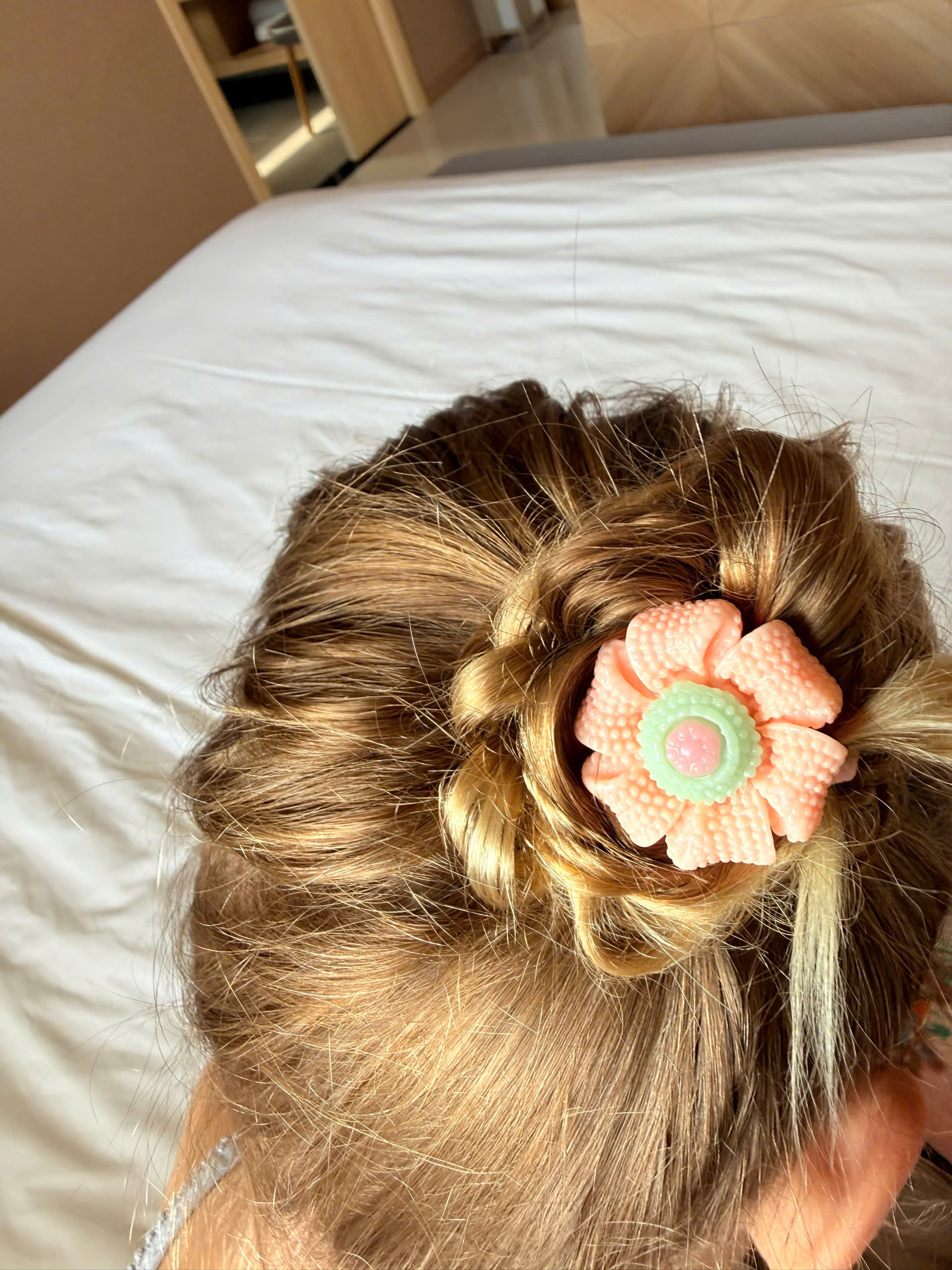
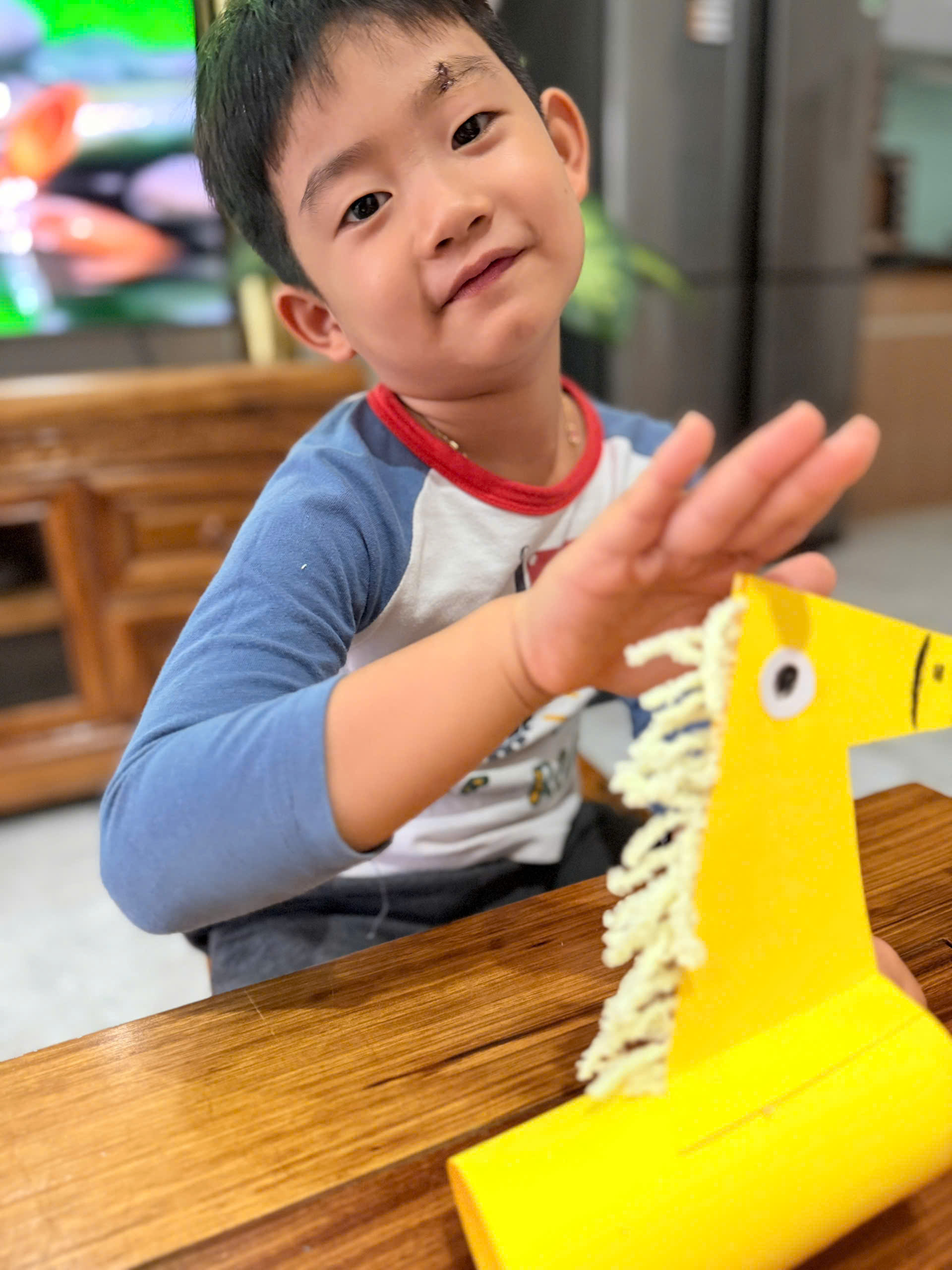
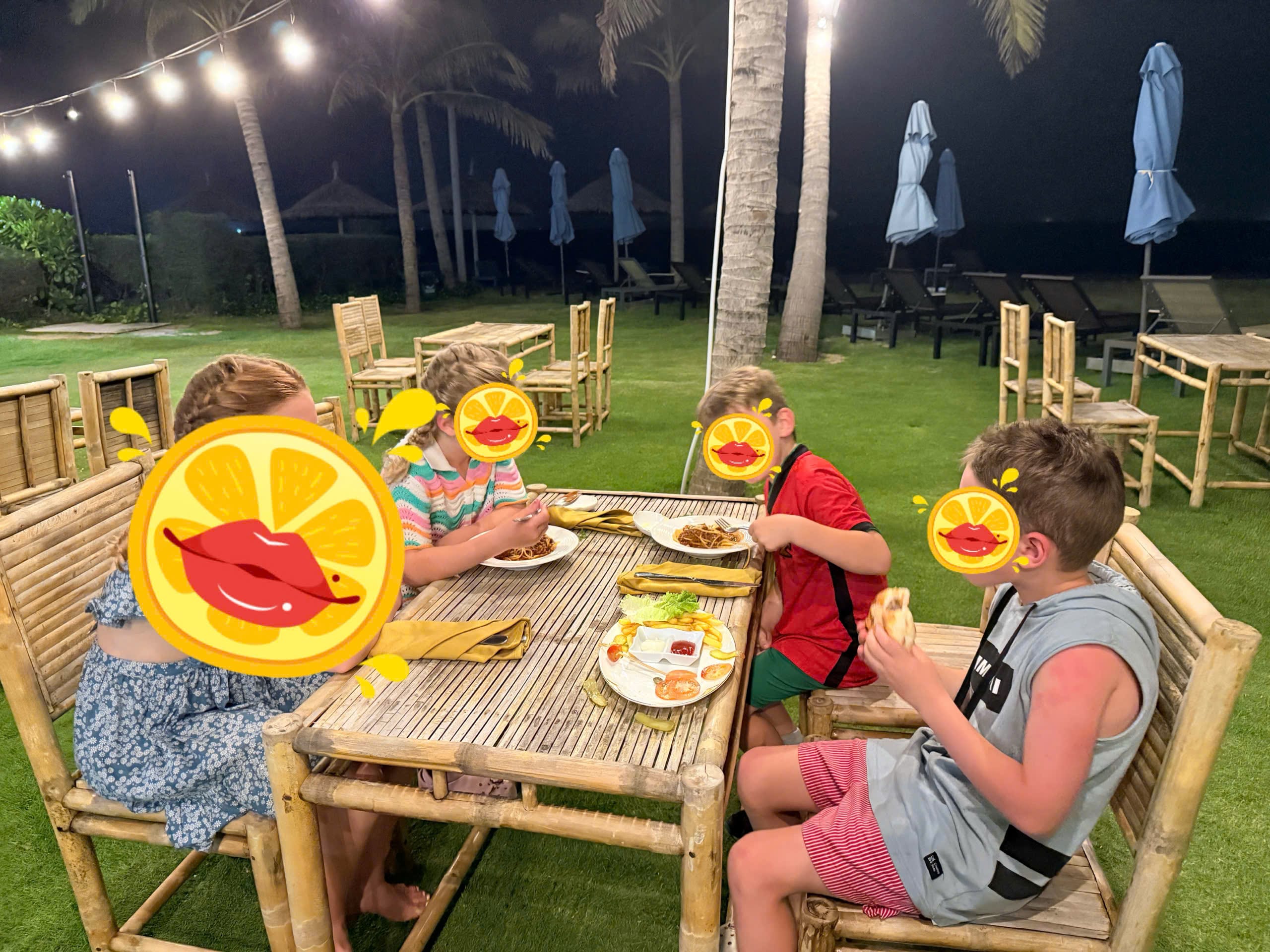
How parent updates make the session feel calmer
Parent updates should reassure without interrupting the child’s rhythm. Some parents want a short WhatsApp message after the child settles. Some prefer a bedtime update. Some want no photos for privacy. The best update plan is the one parents choose before leaving.
On Annie’s sessions, updates are used as a trust bridge: simple, clear, and based on what is actually happening. You can read more about this approach in the guide to babysitter communication with parents.
What if the child cries when parents leave?
Crying at goodbye does not always mean the care is going badly. For many travel children, it means the room is new, the adult is new, the day has been full, and the parent leaving feels bigger than usual.
Parents should tell the babysitter what normally works: staying close, giving space, reading a familiar book, offering milk, naming the feeling, or avoiding repeated goodbye loops. A prepared babysitter will not panic, distract too loudly, or promise that crying will never happen.
Caregiver proof parents can verify
Trust should be practical, not vague. Parents can look for a clear caregiver identity, real Google Business Profile presence, visible care examples, communication style, and proof that the sitter asks detailed routine and safety questions before the session.
Parents who want to see practical care examples can also review real babysitting activities before booking.
Red flags when a babysitter does not ask enough
A babysitter who asks no questions may seem easy to book, but childcare abroad needs more detail than “time and price.” Be careful if the sitter does not ask about allergies, emergency contacts, routine, room boundaries, update preference, or what to do if the child becomes upset.
Other warning signs include vague identity, unclear caregiver replacement, no handover process, treating babies and older children the same, overpromising, or giving only generic answers about safety.
Copy this babysitter information checklist
| Child | Name, age, language, personality, shy or outgoing, siblings, special comfort item. |
| Routine | Nap, bedtime, bath, milk, snack, dinner, toilet, diaper, screen rule. |
| Safety | Allergies, medication instructions, balcony rule, bathroom caution, pool access, room key, emergency contacts. |
| Comfort | What helps with crying, what not to say, favorite toys, quiet activities, songs, books. |
| Updates | When to message, whether photos are okay, sleep update, crying update, return summary. |
| Parents | Where you will be, expected return time, backup contact, hotel name, room number. |
For broader travel-family questions, the babysitting in Vietnam FAQ can help parents understand what to expect before arranging private care.
Real care proof: how calm activities support safety
Quiet activities are not only entertainment. They help a child settle into the room, reduce door-hanging after parents leave, and give the babysitter a gentle way to observe mood, energy, hunger, and tiredness.

Parent questions before leaving a child with a babysitter
How can I know the babysitter is trustworthy?
Look for a clear caregiver identity, real reviews, parent-facing communication, routine questions, emergency awareness, and examples of real childcare work. Trust should be verifiable, not only described with words like “safe” or “reliable.”
Will I receive updates during the session?
Yes, parents can choose the update style before leaving. Some prefer a short settling update, some want a bedtime message, and some prefer only essential updates.
What should I prepare before leaving?
Prepare snacks or milk, pajamas if needed, diapers, comfort items, room key instructions, emergency contacts, allergy notes, and a clear return time.
What if my child cries?
Share what usually helps your child settle. A calm babysitter should follow your instructions, keep the child safe, and update you in the way you requested.
Is this hotel staff or private care?
This is private babysitting support for families staying in hotels, resorts, villas, or private accommodation in Hoi An and Da Nang. It is not presented as official hotel staff or an official hotel partnership.
Share the child’s rhythm first
If you are planning private babysitting in Hoi An or Da Nang, send the child’s age, hotel or villa, care time, routine, allergies, and how you prefer updates. Annie can then suggest a calmer care plan around the child, not only the schedule.
