
English Babysitter at Funny Kid Da Nang: Three Happy Hours While Hanna’s Parents Shopped
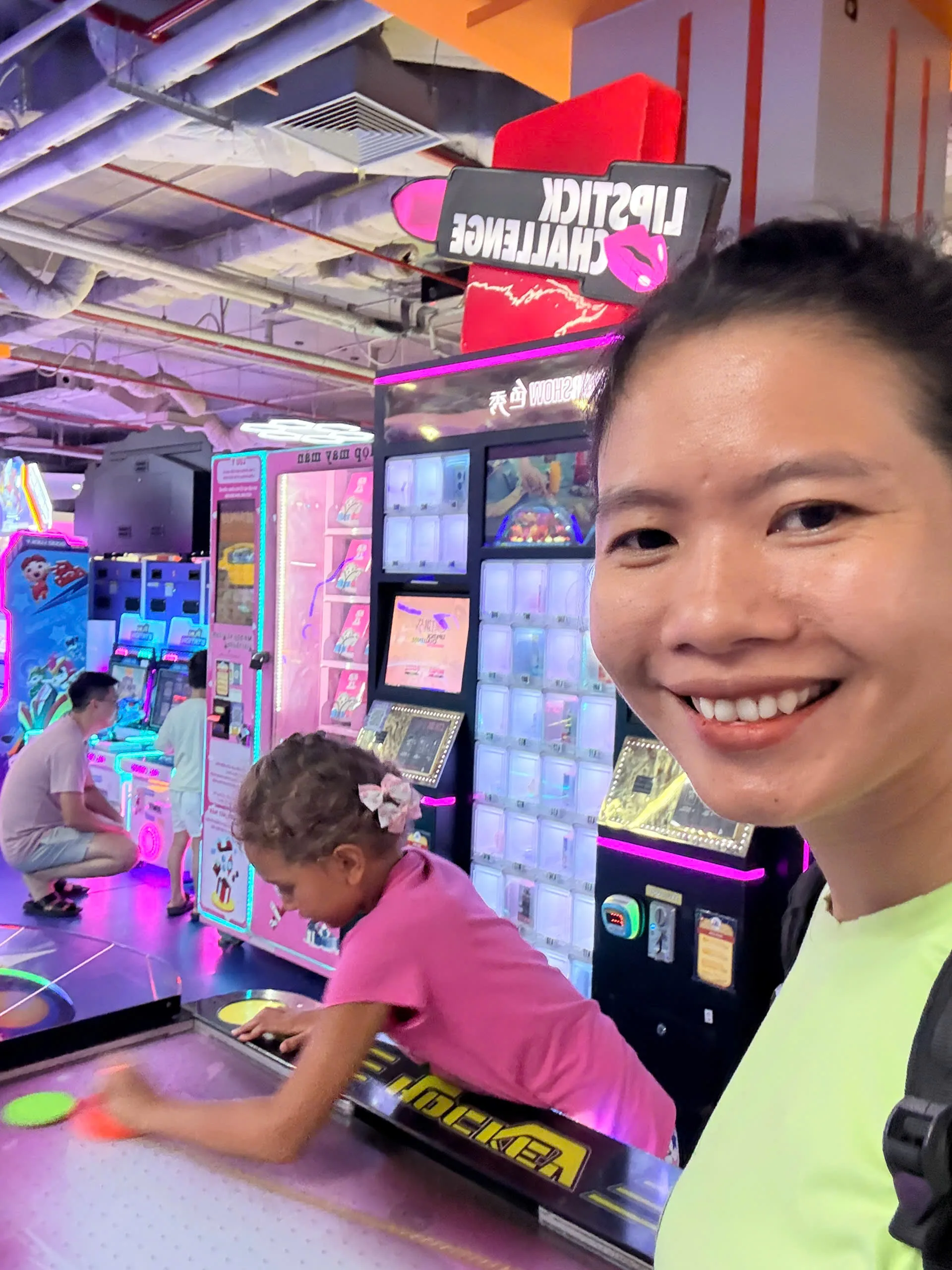
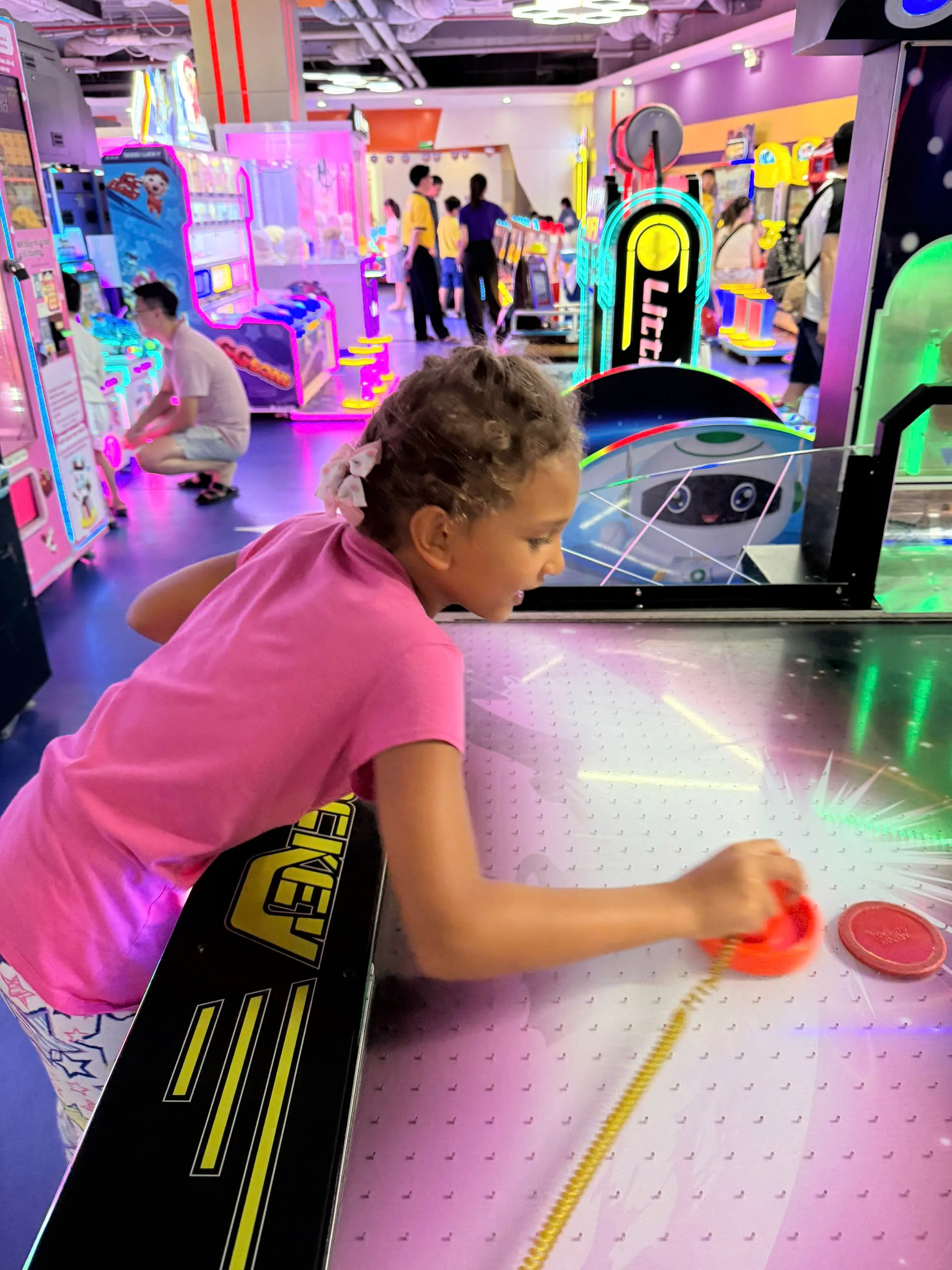
When Hanna’s parents wanted time to shop at Vincom Plaza, the six-year-old did not have to spend three hours waiting beside adults. Annie stayed with her inside Funny Kid, followed her interests and turned the care window into an active afternoon of play, conversation and discovery.
Families researching an English-speaking babysitter in Da Nang can use this real session to understand what attentive care may look like when parents need a practical shopping window rather than hotel-room babysitting.

Childcare during shopping without asking a child to simply wait
A shopping trip that feels easy for adults can feel very long to a six-year-old. The noise, repeated stops and lack of child-led movement may lead to boredom or frustration before parents finish what they need to do.
A babysitter at Funny Kid Da Nang gives parents another option. The child can remain in a play environment while one consistent caregiver stays close, supervises transitions and notices when enthusiasm begins to turn into fatigue.
An hourly babysitter can accompany a child at Funny Kid while parents shop nearby, provided the care plan, meeting point, contact method, venue rules and collection time are agreed beforehand.
The useful distinction is that Annie was not only present in the same room. She joined Hanna’s play, listened to her ideas, helped her move between activities and maintained a clear handover plan with the parents.
For families comparing different schedules, the hourly babysitter guide for Hoi An and Da Nang explains when shorter care windows may be more suitable than daily or weekly arrangements.
A realistic play rhythm, not three hours of nonstop stimulation
Indoor playgrounds offer many attractions at once. For a caregiver, the important work is not to push the child through every available game. It is to help the child enjoy the space without losing track of comfort, safety or energy.
Orientation and a gentle start
Before moving quickly between attractions, Annie gave Hanna time to look around, choose where to begin and become comfortable with the handover. A school-age child may appear confident but still need a few minutes to understand who is staying, where the parents are going and when they will return.
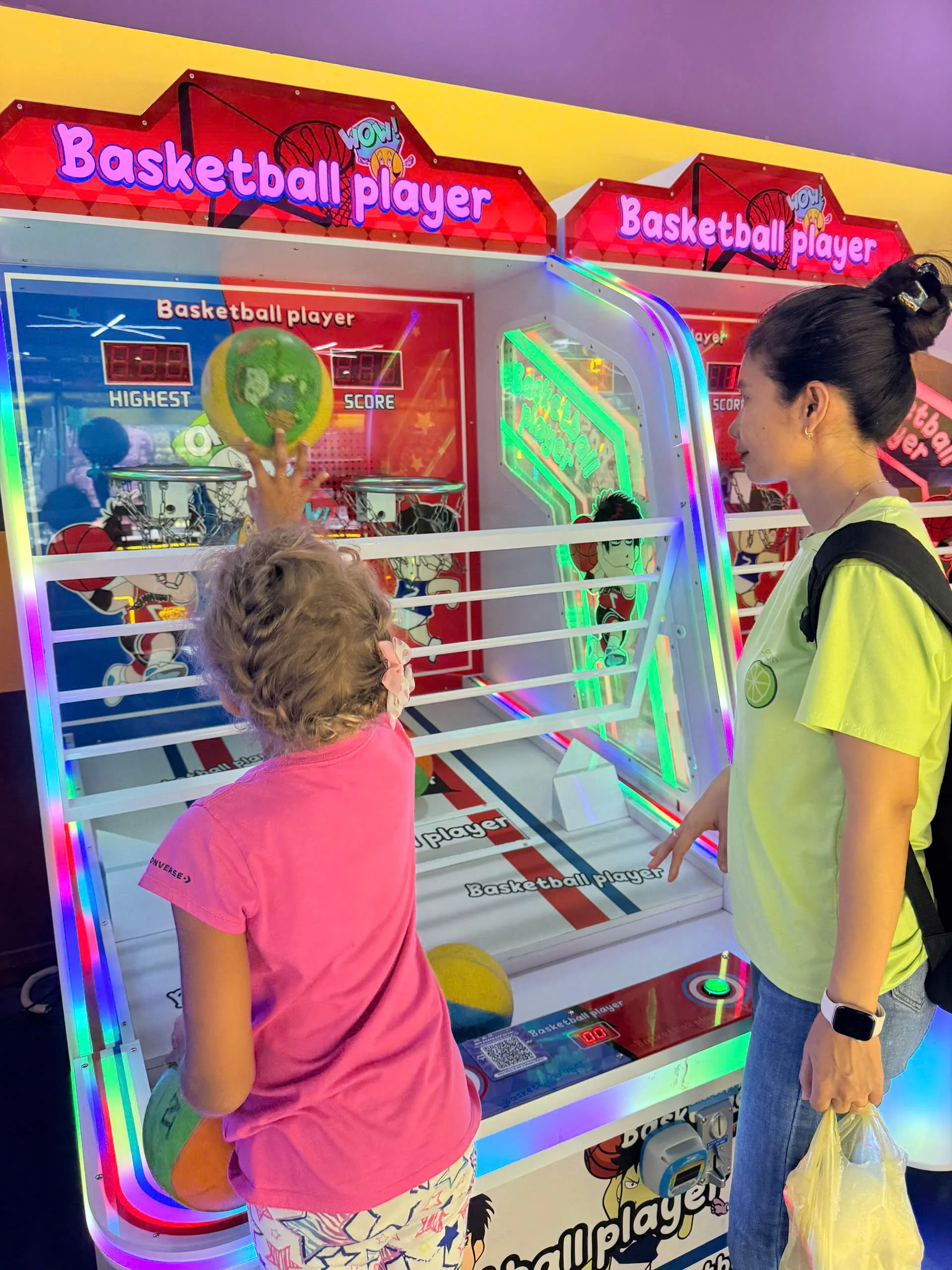
Ball throwing and movement
Ball play offered an easy way to build connection. It allowed Hanna to move, laugh and communicate without requiring a long explanation. Annie could also observe how Hanna responded to turn-taking, nearby children and changes in the play space.
Painting a figurine
After a more physical activity, figurine painting created a quieter period. Annie stayed involved through conversation and encouragement while allowing Hanna to make her own colour choices. This change of pace mattered because three hours of only high-energy play could become tiring.
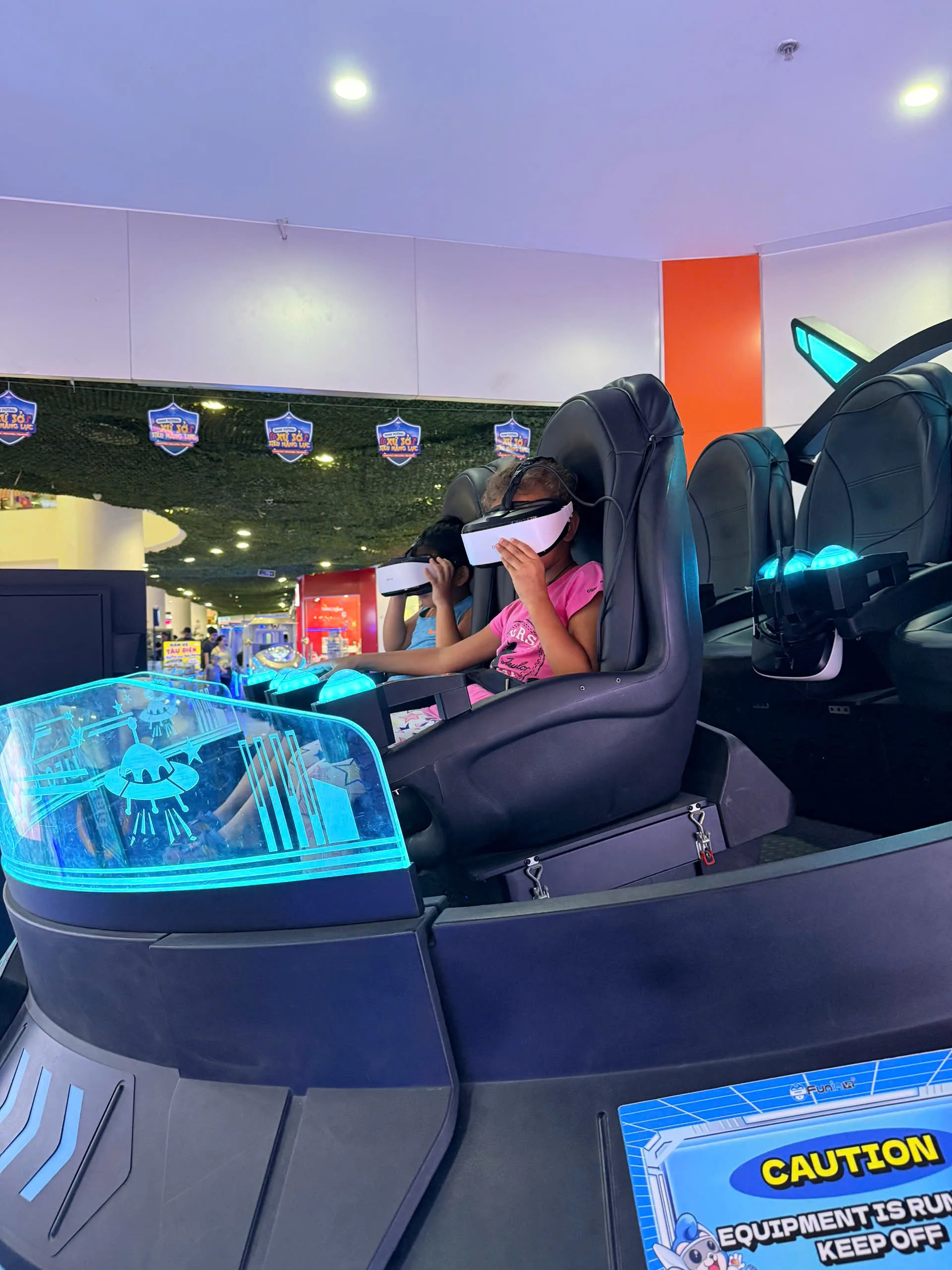
Virtual reality and the children’s motorbike
Novel attractions can produce excitement, hesitation or both. Annie remained close, checked Hanna’s response and avoided treating participation as compulsory. The goal was enjoyment, not completing a list of activities for the camera.
The dinosaur garden and a calmer transition
The dinosaur area provided a different kind of imaginative play before the session ended. Annie could begin preparing Hanna for collection rather than stopping the fun without warning when her parents arrived.


Good indoor-play supervision includes pacing, not only safety
At six years old, a child may happily request one attraction after another. That does not always mean her energy is unlimited. Excitement can hide early signs of tiredness until a small disappointment suddenly feels much larger.
Annie alternated active play with more focused activities. Painting required a different kind of attention from throwing balls, riding a motorbike or exploring virtual reality. This variety helped the three-hour window remain enjoyable rather than becoming a race through the venue.
A caregiver also watches practical details that are easy to miss in a lively environment: whether the child is becoming thirsty, whether shoes or clothing need adjusting, whether a game feels too intense and whether the child still knows where the caregiver is standing.
What Annie was paying attention to while Hanna played
Parents often see the visible activities. The less visible part of childcare is the continuous observation happening between them.
Distance in a busy venue
Children can move quickly when they spot another attraction. Annie stayed close enough to respond without preventing Hanna from feeling independent.
Comfort with unfamiliar equipment
A child may say yes to a virtual-reality experience and then become uncertain once it begins. Annie watched Hanna’s reaction rather than assuming excitement meant automatic comfort.
Changes in communication
Hanna laughed and spoke frequently with Annie. If a talkative child suddenly becomes quiet, that change can signal tiredness, worry, sensory overload or simple concentration.
Transitions between games
Moving away from a favourite activity can be harder than starting it. Annie used conversation and clear expectations rather than abrupt instructions.
Venue boundaries
One-to-one care does not replace the play area’s own rules. The caregiver still needs to follow entry, equipment, height, age and supervision requirements.
The return to parents
A useful handover includes more than “everything was fine.” Parents may want to know what the child enjoyed, whether she ate or drank, and whether anything caused hesitation.
A babysitter should not become another person looking at a phone nearby
Physical presence is only the starting point. During this session, Hanna repeatedly talked, smiled and invited Annie into what she was doing. That interaction helped the child feel accompanied rather than merely monitored.
Participation also provided practical information. Through play, Annie could notice whether Hanna understood an activity, felt comfortable with nearby children, wanted help or needed a break.
The balance is important. Annie did not need to control every decision or turn every game into a lesson. She could follow Hanna’s lead while maintaining the adult responsibility for safety, boundaries and time.
Play-area babysitting versus hotel-room babysitting
Both arrangements can work, but they solve different family needs. Parents should choose according to the child, the schedule and the purpose of the care window.
| Consideration | Funny Kid or indoor play area | Hotel or apartment care |
|---|---|---|
| Best suited to | A child who enjoys active play and can manage a stimulating public environment. | A child who needs familiar toys, a nap, a meal, bath time or a quieter routine. |
| Parent plan | Shopping or another nearby activity with a clear meeting point. | Dinner, spa, work, an event or time elsewhere in the hotel or city. |
| Caregiver focus | Movement, venue boundaries, transitions, public-space awareness and energy regulation. | Room safety, routines, food, sleep, balconies, doors and familiar comfort items. |
| Potential challenge | Noise, crowds, excitement and difficulty leaving a favourite attraction. | Initial separation, boredom if activities are not prepared, or resistance around bedtime. |
| Useful preparation | Venue rules, entry arrangement, toilet plan, spending permission and collection location. | Room access, routine notes, food instructions, sleep items and emergency contacts. |
What to share before arranging childcare at Funny Kid
A brief but specific handover helps the caregiver make better decisions when the parents are not beside the child.
Child and routine information
- Child’s age and preferred name
- Languages the child understands comfortably
- Allergies, medical needs or food restrictions
- Toilet independence and assistance boundaries
- Known fears, sensitivities or activities to avoid
- How the child usually responds when upset
- Any comfort item that should remain nearby
Session and venue information
- Exact date, start time and expected finish time
- Meeting and collection point inside Vincom Plaza
- Who will pay admission and activity costs
- Permission for snacks, drinks or additional games
- Parent’s active WhatsApp number
- Whether photo or video updates are permitted
- What Annie should do if parents are delayed
Childcare shaped by experience, observation and parent-level awareness
Annie provides private babysitting and nanny support for international families visiting Da Nang and Hoi An. She is a mother of two, has CPR training and has supported more than 300 families.
Her public business profile has received more than 60 reviews. These details provide useful context, but they do not replace a parent’s own questions about the child, schedule and suitability of the care setting.
Parents can also watch the session footage rather than relying only on written claims. The video shows Hanna smiling, talking and participating with Annie across different activities.
Real activity footage from the three-hour care window at Funny Kid, Vincom Plaza Da Nang.
A simple decision checklist before booking
Choose this setting when
Your child enjoys active indoor play, can communicate basic needs and is comfortable being in a public play area with a new caregiver.
Consider room-based care when
Your child needs a nap, is recovering from travel, becomes overwhelmed by noise or relies on a familiar bedtime routine.
Discuss more details when
Your child has allergies, medical needs, toileting support needs, significant separation anxiety or difficulty leaving preferred activities.
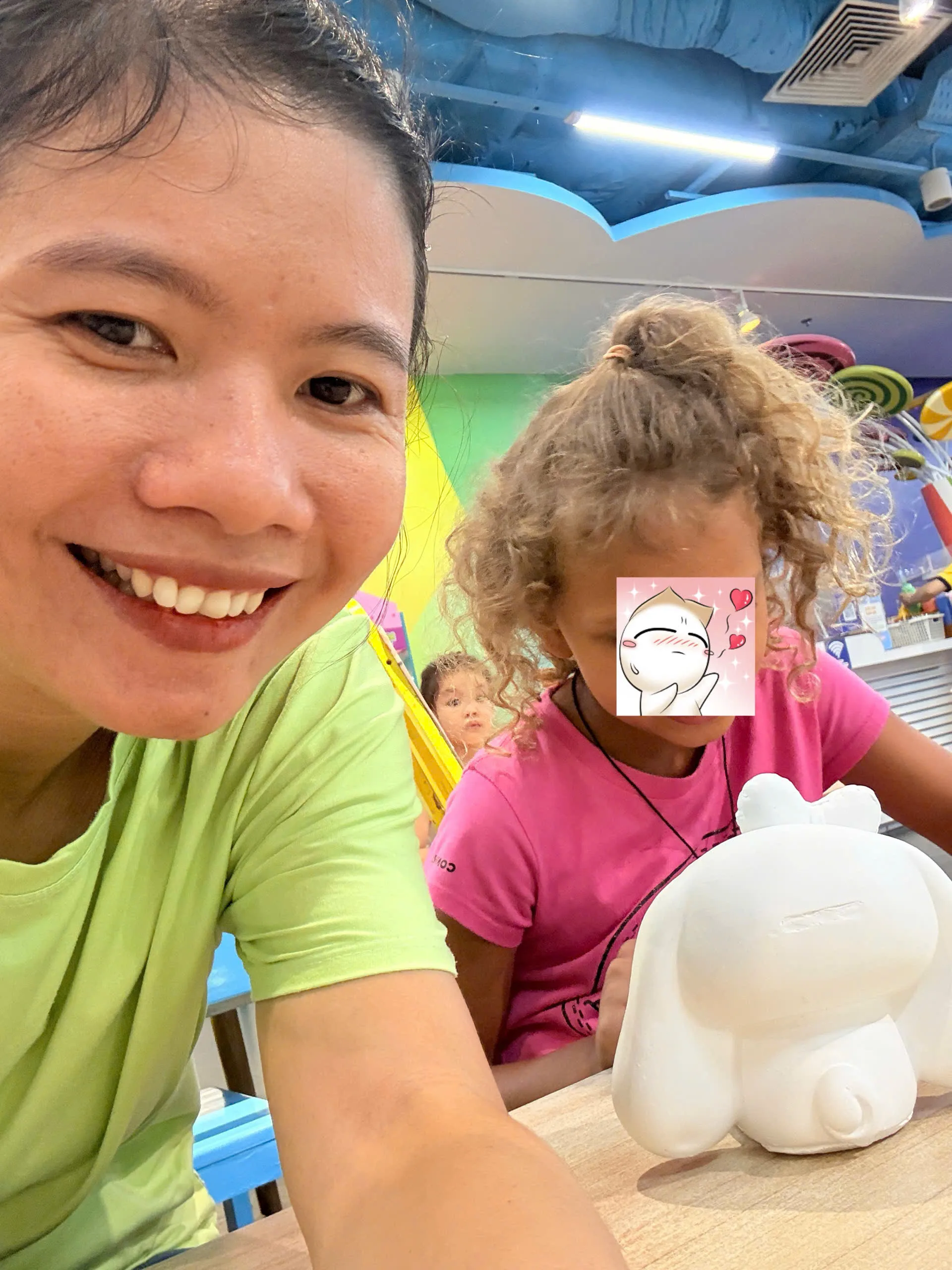
Hanna did not need entertainment every second
One of the easiest mistakes in activity-based childcare is assuming that a good session must be packed without pause. In practice, a child may enjoy talking about the game, choosing colours, watching another attraction or repeating something familiar.
Annie allowed Hanna to guide many of these small decisions. The child could experience agency while Annie held the larger structure: staying together, following venue rules, monitoring time and preparing for her parents’ return.
This is what made the session personal. The value was not simply access to Funny Kid. It was having one attentive adult who noticed how Hanna was responding inside that environment.
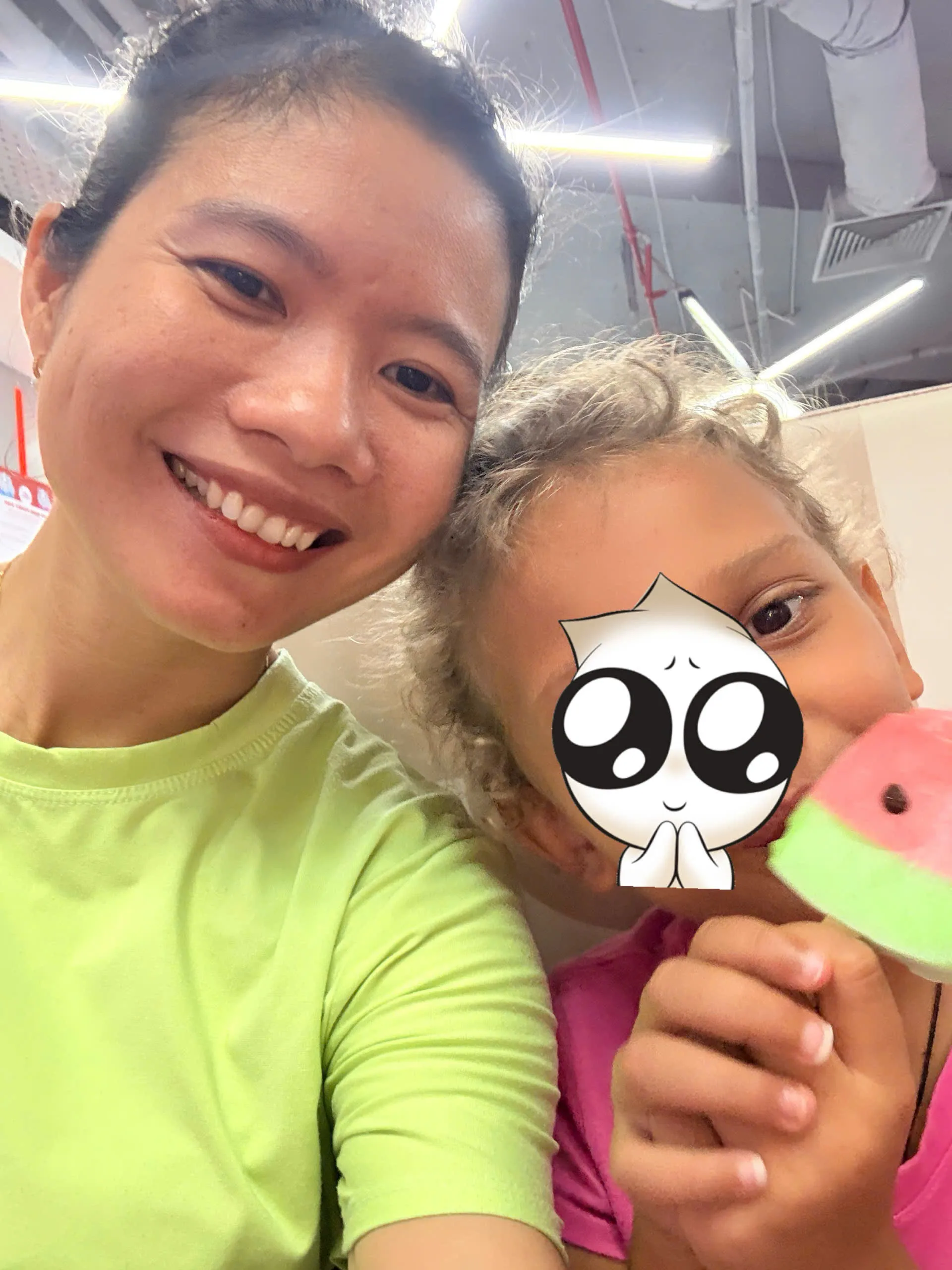
Good hourly childcare is not measured by how many attractions a child completes. It is measured by whether the caregiver keeps noticing the child while the environment keeps changing. Observation from Hanna’s three-hour session
Questions about hiring a babysitter at Funny Kid Da Nang
These answers relate specifically to short childcare sessions at an indoor play area while parents remain elsewhere in or near the shopping centre.
Can parents shop while Annie stays with a child at Funny Kid?
Yes, this can be arranged when Annie is available and the child, venue rules and care plan are suitable. Parents should confirm the meeting point, collection time, active contact number, entry costs and what Annie should do if the schedule changes.
Is this arrangement suitable for every child?
No. It may suit a school-age child who enjoys active indoor play and can communicate basic needs. A tired child, a child with strong sensory sensitivities or a child who needs a nap may be more comfortable with hotel-room care.
What happens if my child becomes upset after I leave?
Annie first uses the comfort approach agreed during handover, such as calm conversation, a familiar item or a quieter activity. Parents should specify when they want to be contacted and whether they prefer to return immediately if the child cannot settle.
Can Annie send photo or video updates during the session?
Parents can discuss their preferred update method before care begins. Updates should not distract from active supervision, especially while the child is moving between equipment or attractions.
What should parents send when asking about availability?
Send the date, approximate start and finish time, number of children, ages, location and any important care needs. For a Funny Kid session, also mention whether entry has been arranged and whether the parents will remain inside Vincom Plaza.
Funny Kid and Vincom Plaza are referenced only as the location of this real childcare session. No official partnership, endorsement or affiliation is claimed.
