
When a hotel day is bright, but your baby still needs the room to slow down
Childcare in Vietnam hotels often works best when it protects the child’s normal rhythm first: nap timing, familiar handover, quiet play, and a calm adult who understands when travel excitement becomes too much.
Some babies do not need more entertainment. They need the day to become predictable again.
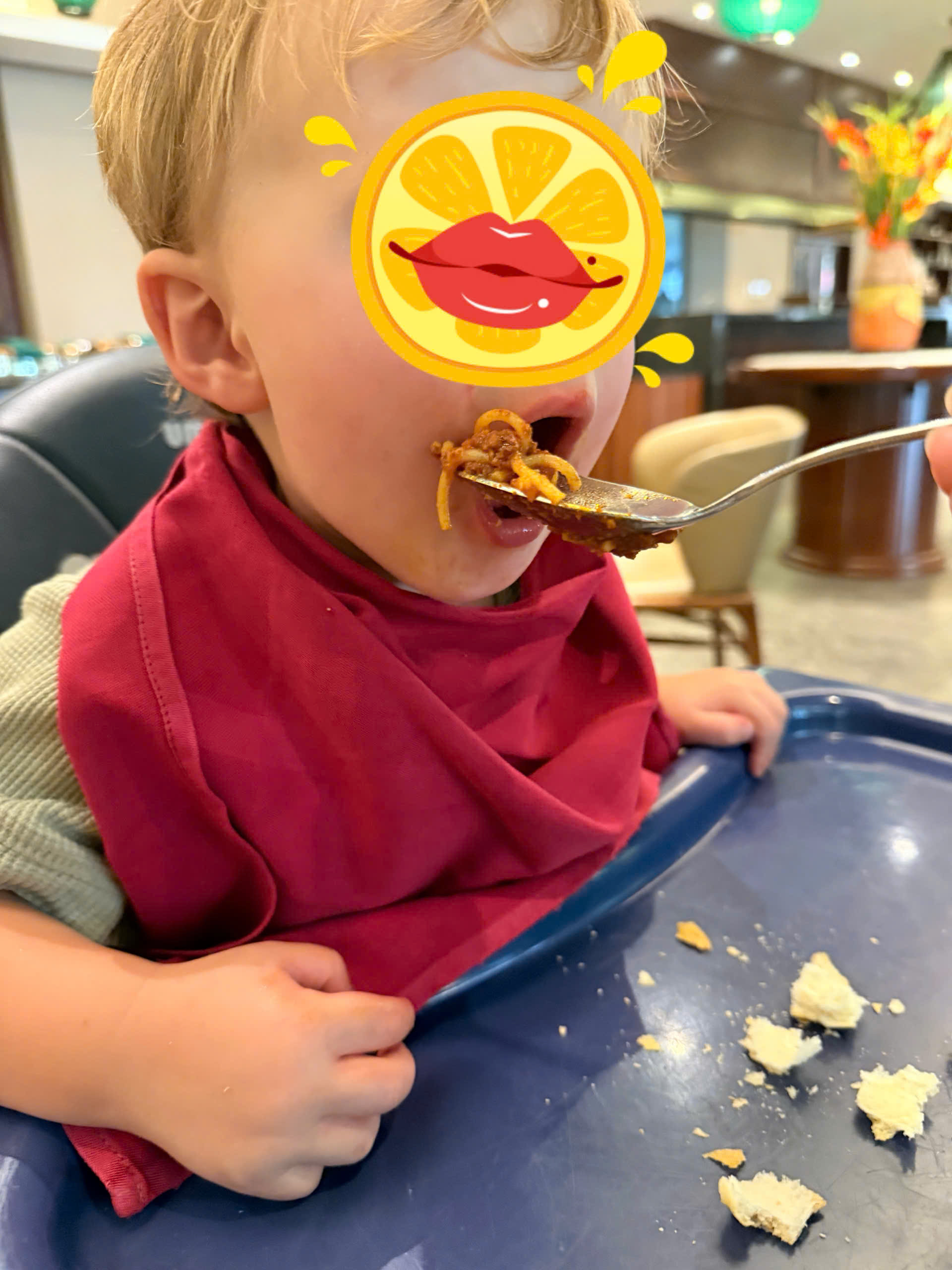
The first question is not “Can someone watch the child?”
For many international families, private childcare inside a hotel or resort begins with a practical need: dinner, spa time, a work call, or a few quiet hours. But for babies and toddlers, the real success of the care window usually depends on something smaller.
Has the child slept? Is the room already familiar? Did the pool make them cheerful or overstimulated? Are they hungry, teething, shy, or simply tired from being in a new country?
Families staying in Hoi An can read more about local care options through the Hoi An babysitter guide, but the calmest hotel care often begins with one simple idea: protect the child’s routine before adding anything new.
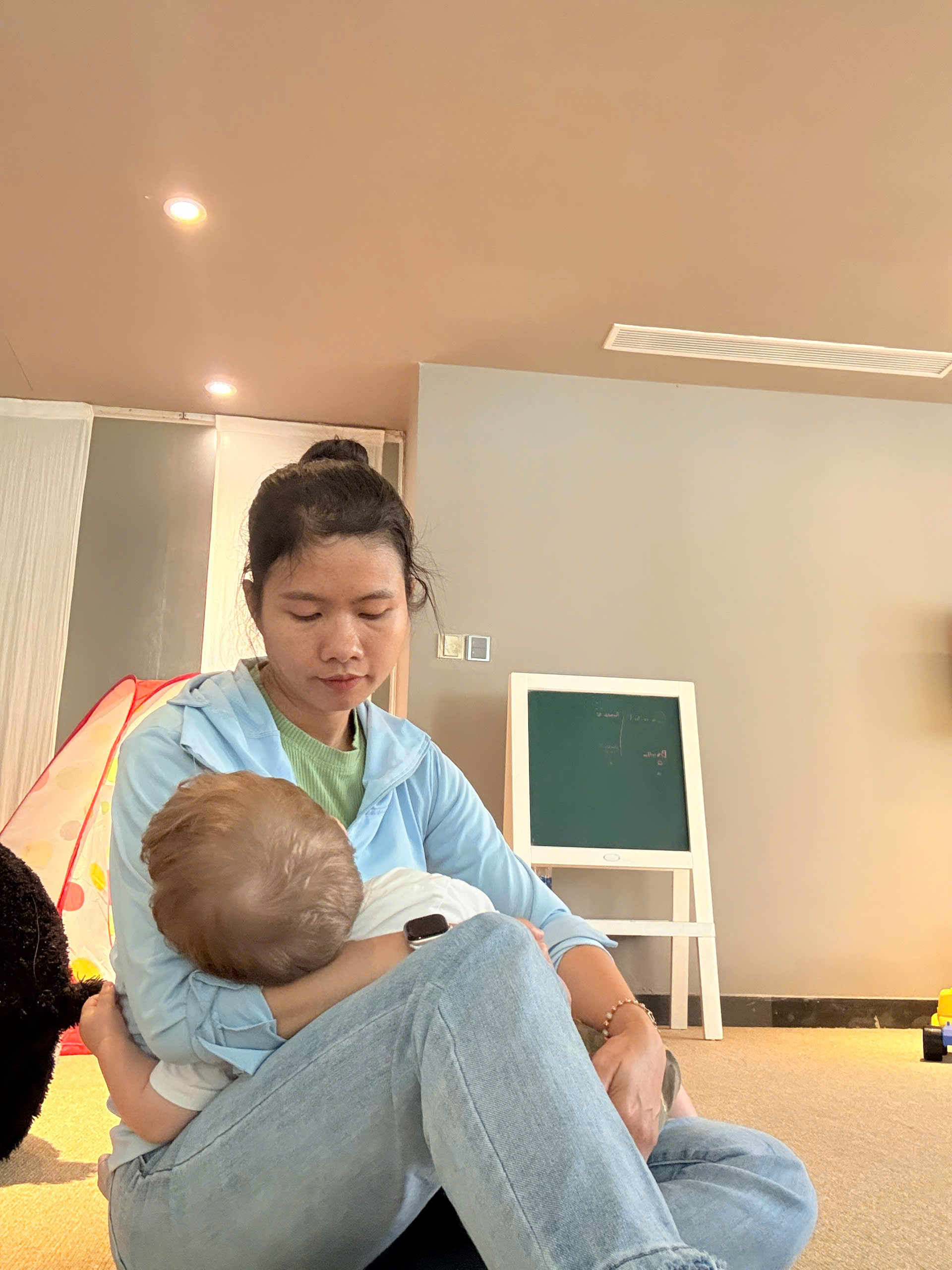
How hotel childcare usually works
Most hotel babysitting arrangements are private and room-based. A caregiver meets the family at the hotel, receives a short handover, stays with the child in the room or nearby approved space, and follows the parent’s routine as closely as possible.
For hourly care, the best windows are often simple: a parent dinner, a massage appointment, a meeting, or a rest period after sightseeing. The structure does not need to feel formal. It needs to feel clear.
If parents are planning a short care window, this hourly babysitter guide explains how timing, handover, and duration usually fit together in Hoi An and Da Nang.
A soft handover may include:
Nap protection changes the whole evening
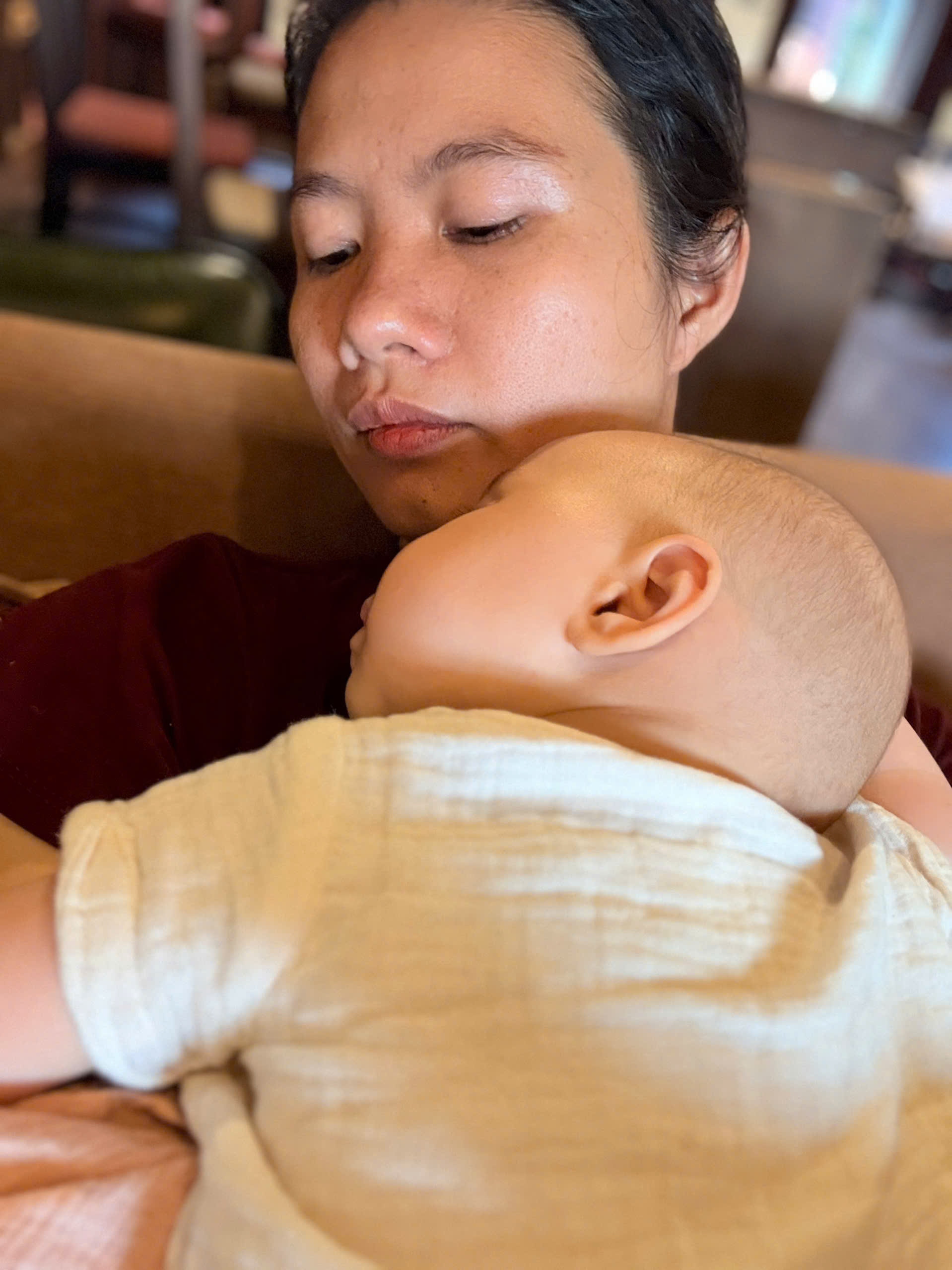
Baby nap protection is not only about making a child sleep. It is about reading the room before the child becomes distressed: lowering noise, reducing stimulation, keeping the light soft, and choosing calm activities before overtiredness takes over.
A baby may smile through the pool, lunch, and lobby noise, then suddenly lose patience in the room. That does not mean the child is difficult. It often means the day has been too full.
Annie’s care style is quiet before it is active. She pays attention to the moment before a child becomes upset, and she does not rush a shy or tired child into performance.

What parents can prepare before Annie arrives
A familiar cup, blanket, pajamas, milk, one quiet toy, and clear sleep instructions can matter more than a full bag of activities.
For young children, too many choices can make the room feel busy. A simple routine helps the babysitter protect the nap without turning the care window into a new event.
When play is better than stimulation
Private childcare hotels and resorts offer many distractions, but a tired child may not need the playroom, pool, or another walk through the lobby. Gentle play in the room can feel safer and more familiar.
Quiet drawing, soft blocks, picture books, pretend cooking, or simple floor play can help the child stay connected without becoming too alert before sleep.
For families who want low-pressure ideas, Annie also shares child-friendly rhythm through calm activity ideas for children during care.

Share the routine before planning the evening
Send Annie your hotel name, care time, child’s age, nap pattern, and anything that helps your child feel safe. The care window can then be shaped around the child first, and the parent plan second.
Message Annie with routine notesSmall questions parents often ask
Can childcare happen inside a Vietnam hotel room?
Yes, many families arrange private in-room care, especially for babies, toddlers, naps, dinner windows, and short parent breaks. Parents should give clear room boundaries and routine notes before leaving.
Is hotel childcare better during nap time or after nap time?
It depends on the child. For babies who become overtired easily, protecting the nap can make the evening calmer. For toddlers, a short warm-up before the parent leaves may help more.
What should I prepare for a hotel babysitter?
Prepare milk, snacks, diapers, pajamas, comfort items, emergency contact details, room rules, and a simple note about when the child usually sleeps or becomes tired.
Will Annie take the child around the hotel?
Only if parents agree and the situation is suitable. For nap protection or tired children, staying in the room is often calmer than moving through public hotel areas.
How early should I message Annie?
Send the date, time, hotel, number of children, ages, and routine notes as soon as your plan is clear. This helps Annie understand whether the care window should be active, quiet, or sleep-focused.
