
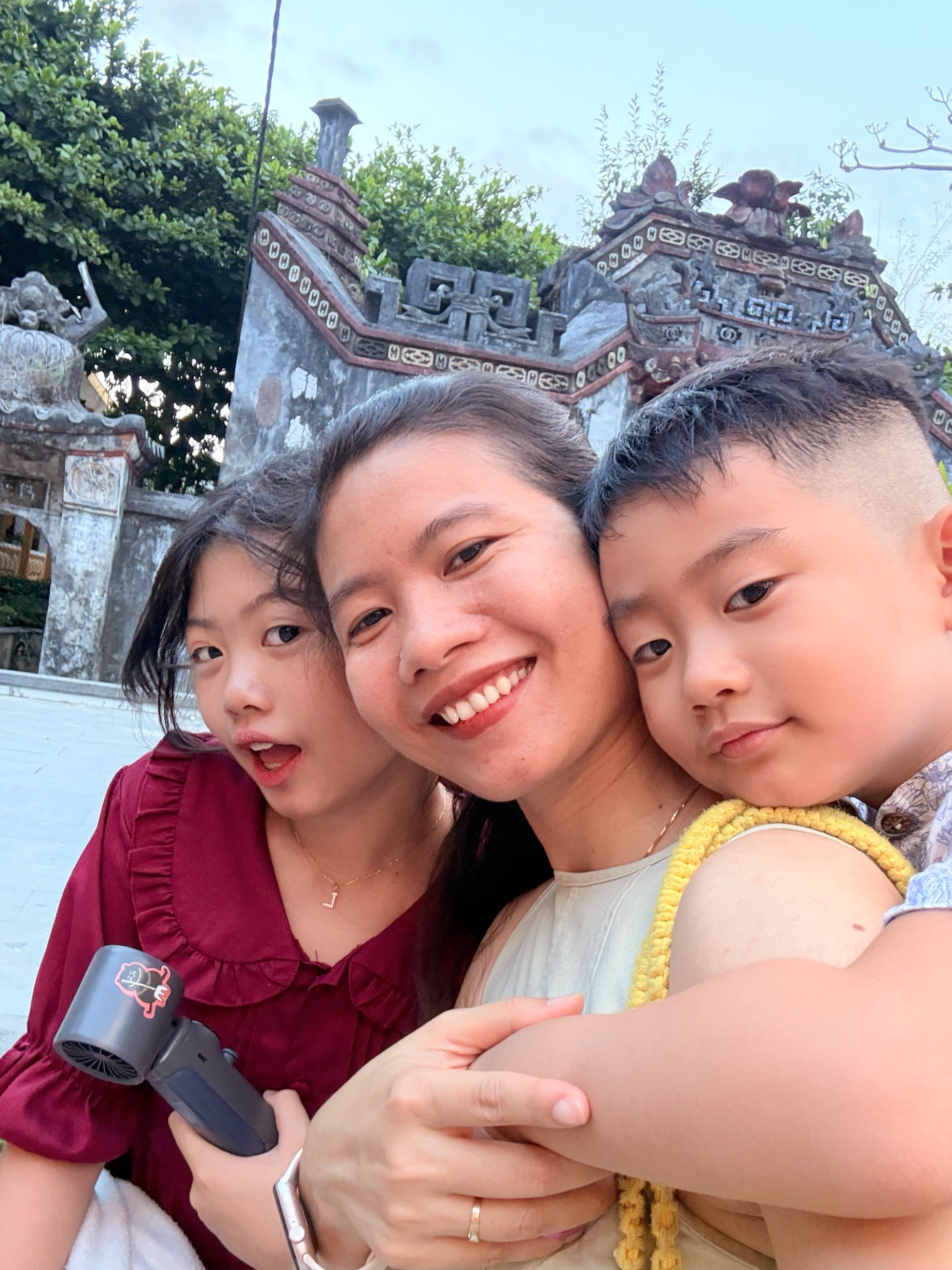
The first safety question is usually emotional, not technical
After a long transfer, a child may look fine for the first few minutes. Then the room becomes unfamiliar, dinner time moves later, the pool has taken too much energy, and the parent suddenly has to decide whether leaving the room for a short evening plan still feels right.
Families staying in either city can start by reading how private care is normally arranged for Hoi An family stays and for Da Nang resort holidays. The location matters less than the quality of the first handover.
What makes babysitting feel safer for visiting families?
A safe childcare window is not built from one promise. It is built from small visible decisions: confirming allergies, understanding bedtime habits, checking balcony and door boundaries, knowing when to message the parent, and choosing activities that match the child’s energy rather than the adult schedule.
Clear handover
Parents share food, sleep, comfort objects, screen rules, room rules, and what usually helps when the child becomes unsure.
Room awareness
The caregiver notices doors, balcony access, bathroom surfaces, small objects, charger cables, and the child’s movement inside the room.
Routine protection
A familiar cup, blanket, pajama order, or low-light bedtime rhythm can matter more than a new toy.
Parent updates
Messages should be calm and useful, especially during the first goodbye, sleep transition, or meal time.
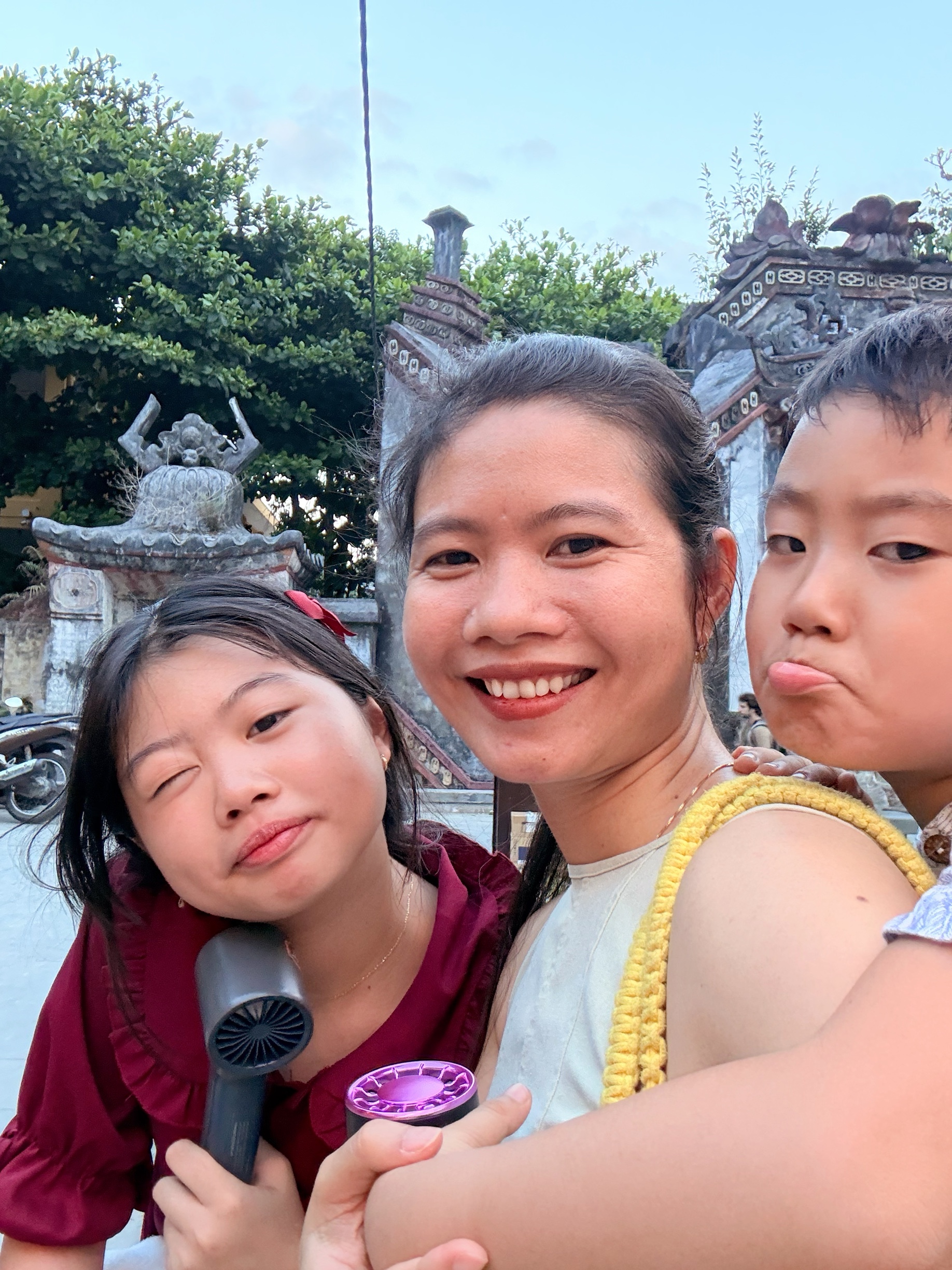
Arrival fatigue changes the way children behave
A child can be smiling and still be overloaded. Flights, taxis, heat, new beds, restaurant noise, and late dinners all ask the nervous system to keep adapting. This is why a babysitter for tourists in Vietnam should not treat every child as ready for active play.
For short dinner, spa, or parent-break windows, the safer starting point is usually a simple routine-first plan. Parents can compare how short hourly care windows work before deciding how long the child can comfortably manage.
The room became quiet long before bedtime. That is not always a problem. Sometimes it is the child asking for less movement.
Where Annie’s care style helps most
Annie’s care style is quiet before it is active. She pays attention to the moment before a child becomes upset: the slower answer, the clinging hand, the sudden refusal of food, or the way siblings begin to compete for the same parent’s attention.
For parents comparing nanny Vietnam options, the most reassuring proof is not loud language. It is whether the caregiver can explain how she would handle the first goodbye, a tired toddler, a baby’s nap, or an older child who needs privacy but still needs boundaries. You can review Annie’s caregiver background before sending details about your child.
Before planning dinner, share the child’s rhythm first
Send the date, time, child’s age, hotel or villa name, bedtime notes, allergies, and what usually comforts your child. The answer can stay practical and calm.
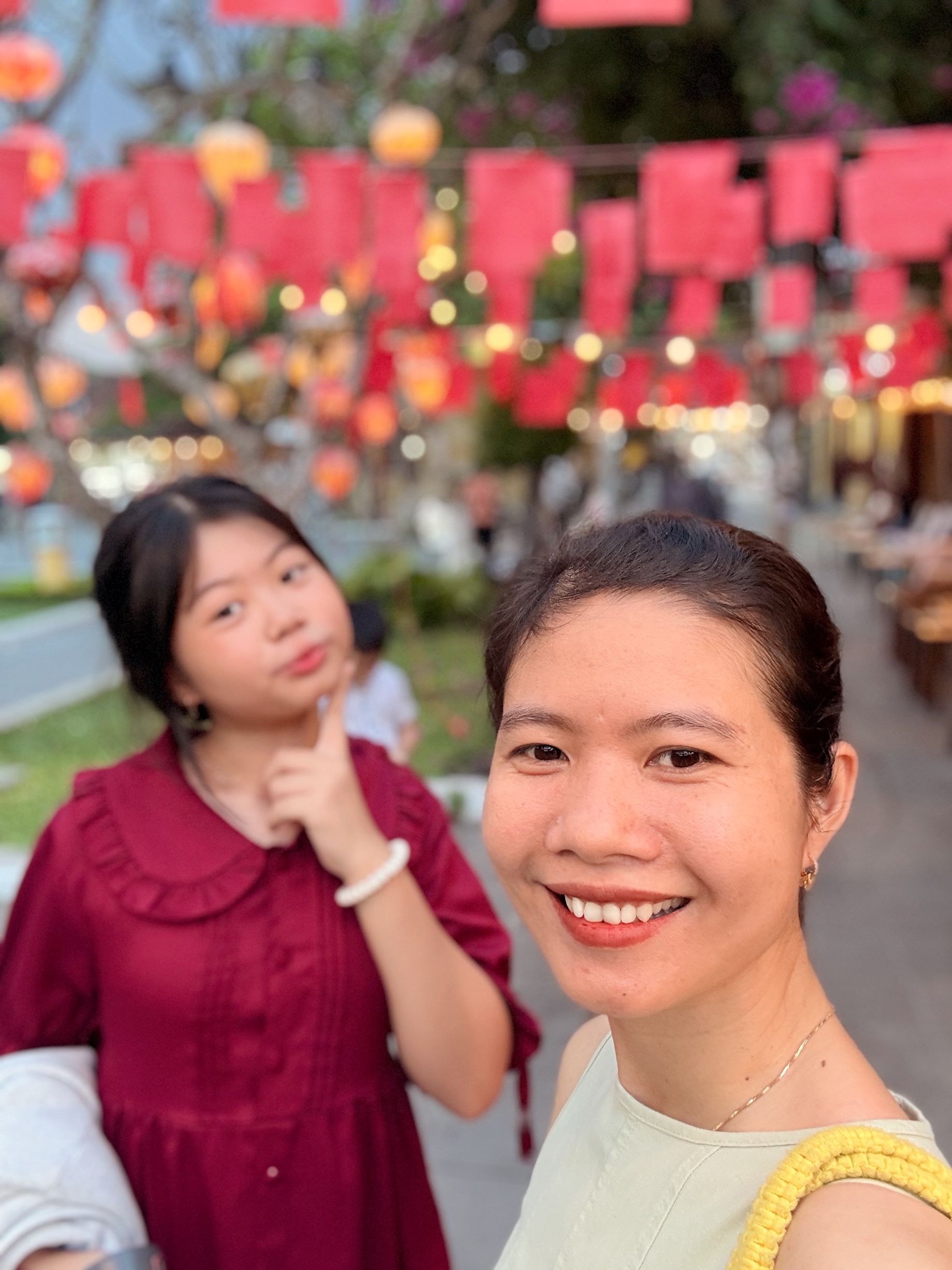
A safer handover is specific
Instead of saying “my child is easy,” it helps to share what the child does when tired. Do they ask for a parent? Do they become silent? Do they run? Do they refuse dinner? Do they need a bottle, a story, dim light, or a message from the parent before sleeping?
Good childcare safety Vietnam planning is often simple: fewer guesses, fewer surprises, and a caregiver who knows what matters before the door closes.
For babies
Nap timing, milk, safe sleep position, room temperature, and parent update timing should be clear before the care window starts.
For toddlers
The caregiver should reduce overstimulation, offer limited choices, and avoid turning the first goodbye into a performance.
For siblings
Different ages may need different attention. A shared room can still have separate rhythms.
For shy children
A quiet warm-up with the parent present can protect trust more than immediate entertainment.
Video proof should feel ordinary
The most reassuring care often looks uneventful from outside: a child settling, a small game, a quiet room, a caregiver who does not rush the emotional transition. That ordinary feeling is part of the safety.
Parents who prefer to see real care moments can watch the short video below before asking questions.
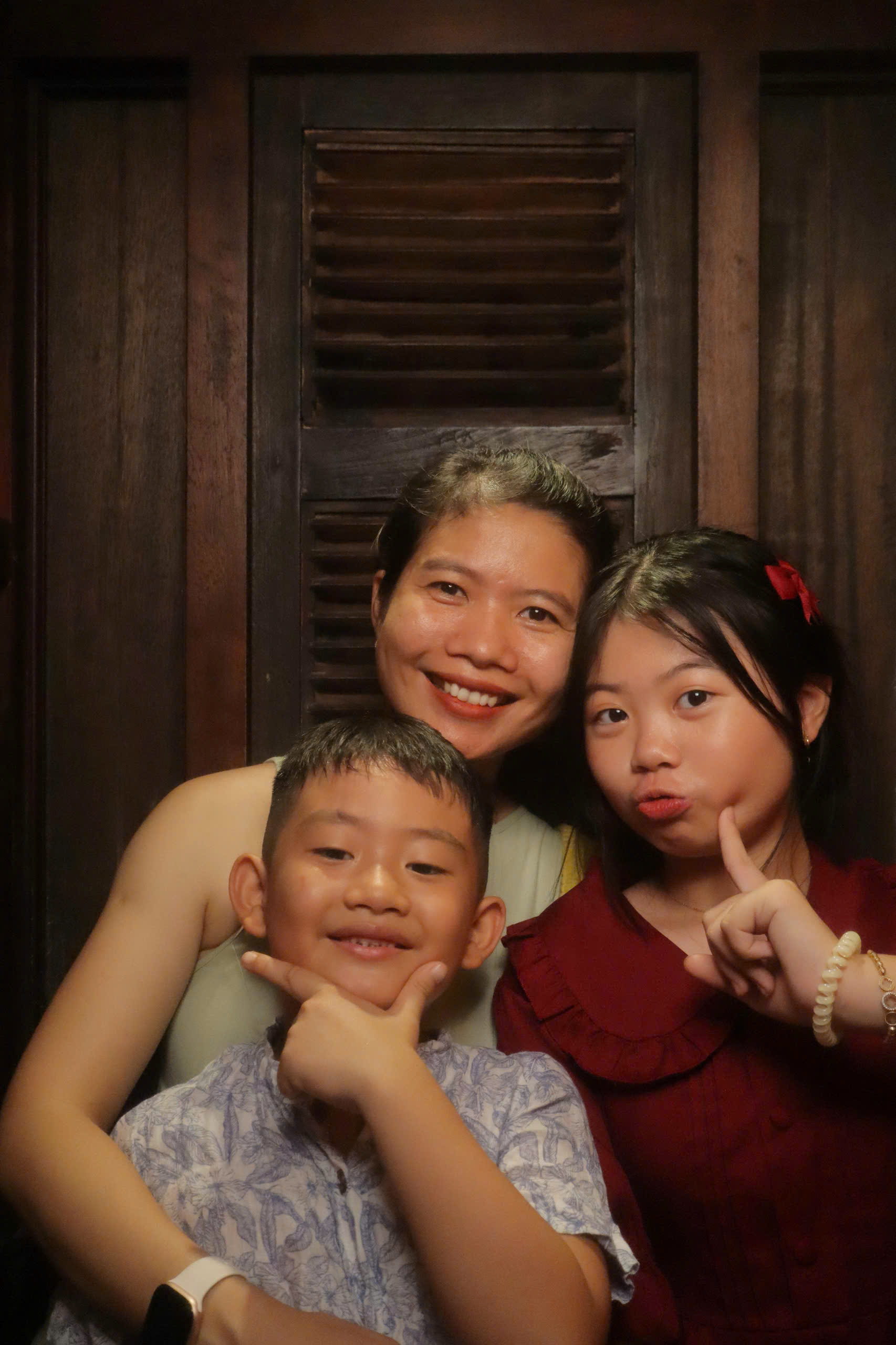
Questions parents often ask before the first booking
Is babysitting safe in Vietnam for international families?
It can be, when parents choose private care with clear handover, room-safety awareness, routine notes, and calm parent updates. The safest arrangement is usually specific to the child, not just the country.
What should I tell the babysitter before leaving?
Share allergies, food rules, nap or bedtime rhythm, comfort objects, room boundaries, screen rules, emergency contact details, and how your child usually behaves when tired or unsure.
Is hotel-room care better than taking the child outside?
For tired babies, toddlers, and shy children, room-based care can be calmer because it reduces movement and protects sleep. Outdoor time should depend on the child’s energy and the parent’s permission.
Can parents receive updates during dinner or spa time?
Yes. Updates should be useful and calm, especially after the first goodbye, during food or bath time, and when the child is settling for sleep.
What if my child cries when I leave?
A short goodbye, a familiar object, and a caregiver who does not rush the child often helps. If crying continues or feels unusual, the parent should be updated rather than left guessing.
How early should I ask about childcare?
Send the request once your date, hotel, time window, number of children, and basic routine are clear. Earlier messages make it easier to match the care plan to your child’s rhythm.
A calm answer before you decide
When parents ask whether babysitting safe in Vietnam is realistic, the honest answer is that safety depends on the person, the handover, the room, and the rhythm of the child that day. A good plan does not make the parent disappear. It helps the child feel that the day is still safe while the parent steps away.
